My Parathas turned Purple

IMG_0940

I have a huge amount of respect for nutrition scientists. But one can sense that in food, they have met a worthy adversary.

Carbohydrate, fat and protein

WHO Food pyramid

WHO Food pyramid

There were the days when they confidently issued proclamations about ‘food pyramids’ that could be rendered in the colors available in a child’s crayon pack. There was carbohydrate, fat, and protein. Various experiments were performed on unsuspecting dogs and rats that led them to believe that out of the three, protein was the one true nutrient.

Then came sailors and prisoners who were given protein enough, but were afflicted with swollen gums, purple spots, and finally, death. This disease was called scurvy. This disease had been known since the Roman times, and had often been treated with herbal cures such as lemon juice. Another time, a sailor stepped ashore and ate some cactus fruit, and found that it had curative properties too.

The vitamins

So what was it about lemon juice and cactus fruit that had the magical property to cure scurvy? Surely, they thought, since scurvy was a disease of ‘putridness’, whatever that means, and clearly, acid cuts ‘putridness’, it has got to be the acid in lemon juice that does the trick. So they began dosing sailors with diluted sulfuric acid and vinegar, to no avail. This acid treatment went on pointlessly for years, apparently, until a doctor named James Lind had a forehead-smacking moment and realized the sulfuric acid was doing more harm than good.

James Lind feeding citrus fruit to a scurvy-stricken sailor aboard HMS Salisbury in 1747 (Artist: Robert A Thom)

It was through such nightmarish means that scientists were forced to accept that the complexity of nutrition went beyond the big three of fat, carbohydrate and protein, and the ph dimension of alkaline and acid. By the early twentieth they had identified nutrients that were given the name ‘vitamins‘ which meant ‘force of life’, or something. Vitamin C cured scurvy while Vitamin B cured beri beri and pellagra; others were discovered too.

So food science climbed up the ladder of complexity, but you can tell how many nutrients they expected to find in food, because they started naming them after the alphabet. There may be ten, there may be twenty, surely it would not go beyond A through Z, right? They found 13 vitamins.

Phytonutrients

The farther one goes, the farther behind one gets. Now they have identified so many nutrients that this layperson (me) has lost all hope of catching up.

Phytonutrients‘ is the name used to describe all kinds of nutrients available only through plants. They help plants perform all their planty duties: fight germs, fight aging, fight toxins, stay alive, in other words. They give the plants their colors; their smells; their pungency. When we eat plants, we get the benefit of these chemicals too, for surprisingly similar functions.

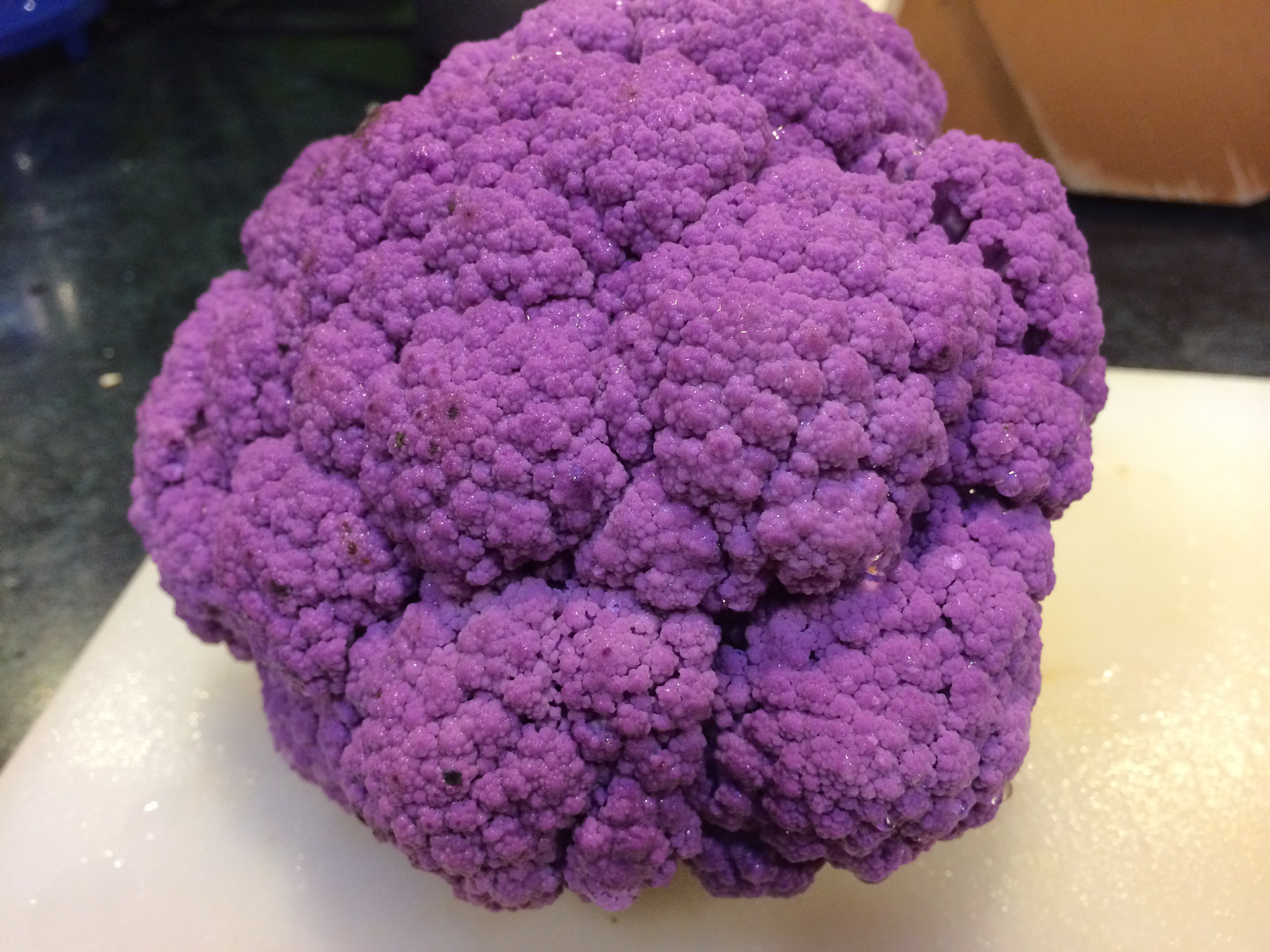
Now there is a type of phytonutrient that is a pigment that gives plants a purple color (anthocyanins). There is tons of tantalizing research about how beneficial these pigments are for us. There is evidence from folk medicine — hibiscus has been used for liver dysfunction, while bilberry has been used to cure night-blindness. There is evidence from the test-tube that the purple pigment prevents the growth of cancer cells. There is evidence from tests on rats that the purple aids in cardiovascular health.

The pigments have antioxidant properties, so that is one reason why they might have so many benefits. But scientists are now alive to the dangers of accepting the simple explanation. These pigments belong to a set of 4000 other compounds called flavonoids; plants use all of them in concert to perform various functions through their lives. So it is not just this or that chemical that provides this or that benefit; it might be any of the 4000 thousand put together that does it. So it isn’t the purpleness itself; it is the army of its cousins working together in the plant.

That makes sense — plants do not live on vitamin supplements. They use whatever they’ve got in whatever combination they can, to do the things they need done. If we eat those plants, we ingest those chemical complexes and gain similar benefits.

We have come a long way from the time scientists dosed sailors with vinegar. Now one can imagine them shaking their fist and saying, ‘Just — just go eat purple food.’

Well, that’s easy.

My purple parathas

I love stuffing cauliflower or potato into rotis to make parathas. Eating them with plain yogurt is soul-satisfying. But on this day, I made them purple.

Ingredients for the roti:

  • Have a look at this recipe (Rolling the Roti) and make as much as you need. I made 2 potato parathas and 8 cauliflower ones = 10 rotis total.
  • Oil or ghee as needed.

Ingredients for potato filling (for 2 parathas):

  • 1 medium purple potato
  • 1 – 2 tablespoons finely chopped onion
  • 1 tablespoon finely minced cilantro
  • 1 small green chili sliced, or substitute with half a teaspoon red chili
  • 1 teaspoon chaat masala
  • Salt to taste

Ingredients for cauliflower filling (for 8 parathas):

  • About 4 cups purple cauliflower florets
  • An inch of ginger, minced fine
  • 1 – 2 green serrano chilies
  • 1 tablespoon oil
  • 2 – 3 teaspoons chaat masala
  • 3/4 teaspoon salt
  • Half a teaspoon cumin seeds (optional)
  • Sprinkle of asafetida (optional)

Method for potato filling:

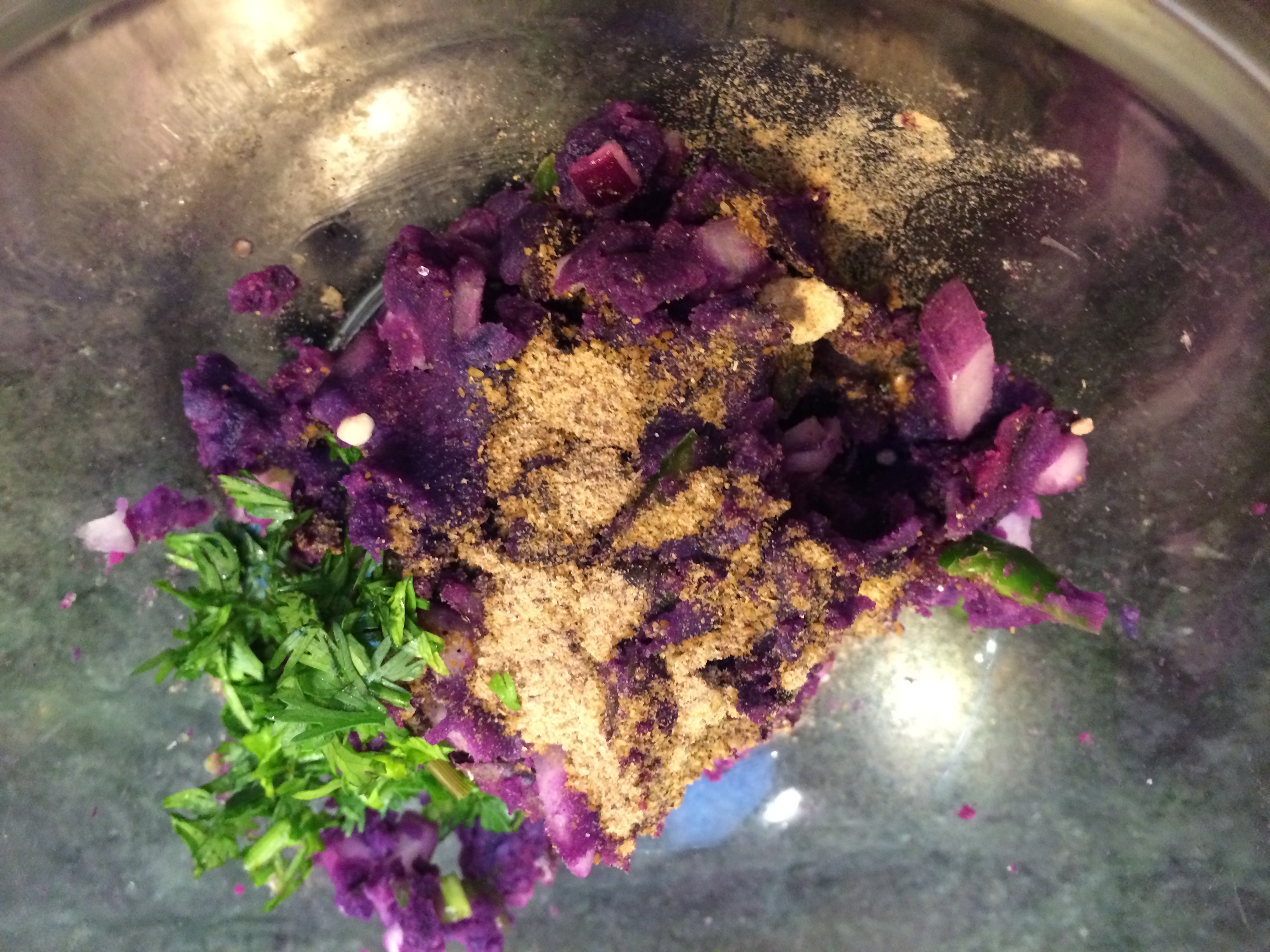
Microwave the potato until it is soft. Mash it, peel and all. Mix in the other ingredients, squeeze it into a sort of dough, and divide into two disks. The filling is ready, each disk will go into one paratha.
IMG_0932 IMG_0933

Method for cauliflower filling:

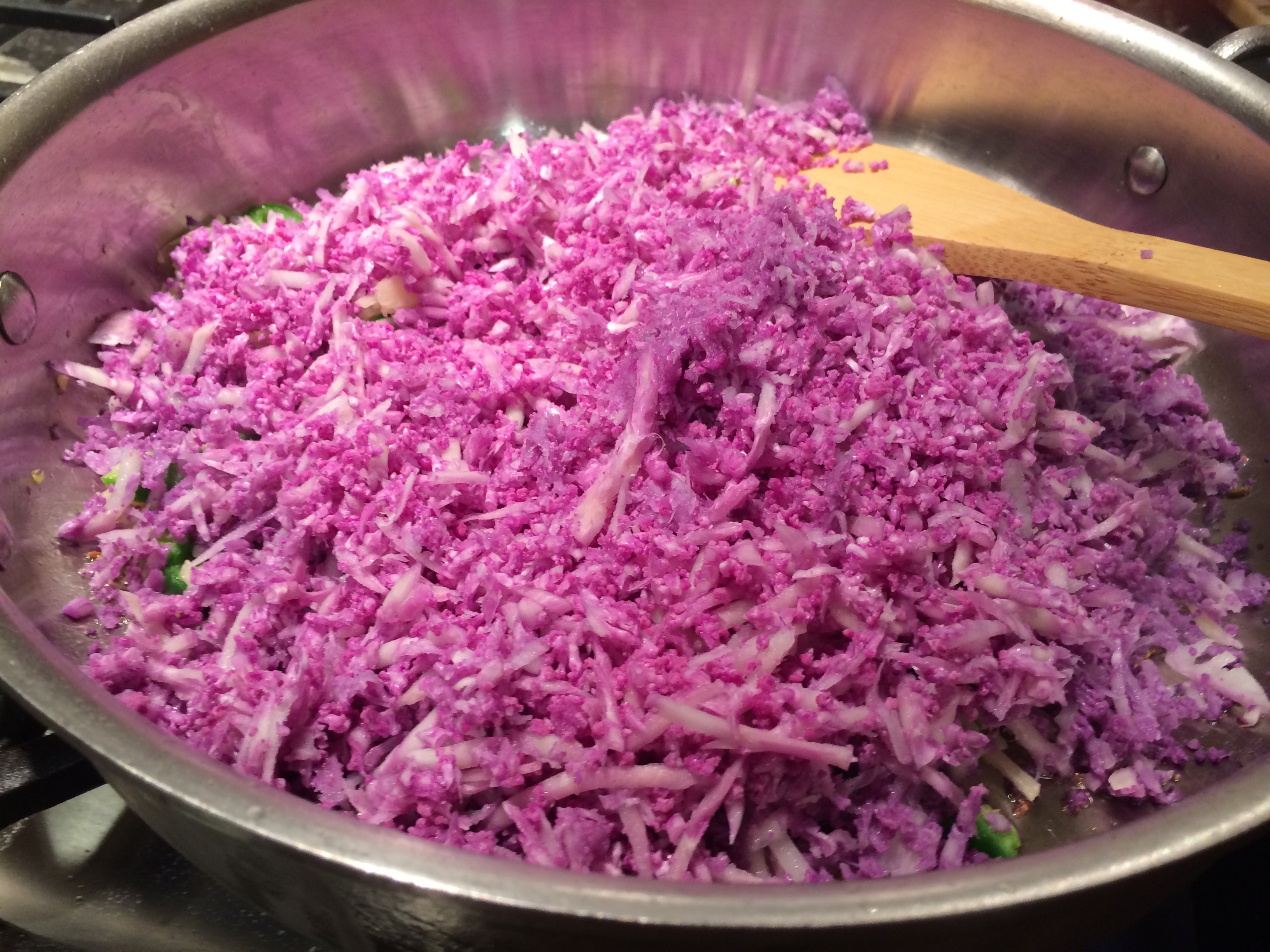
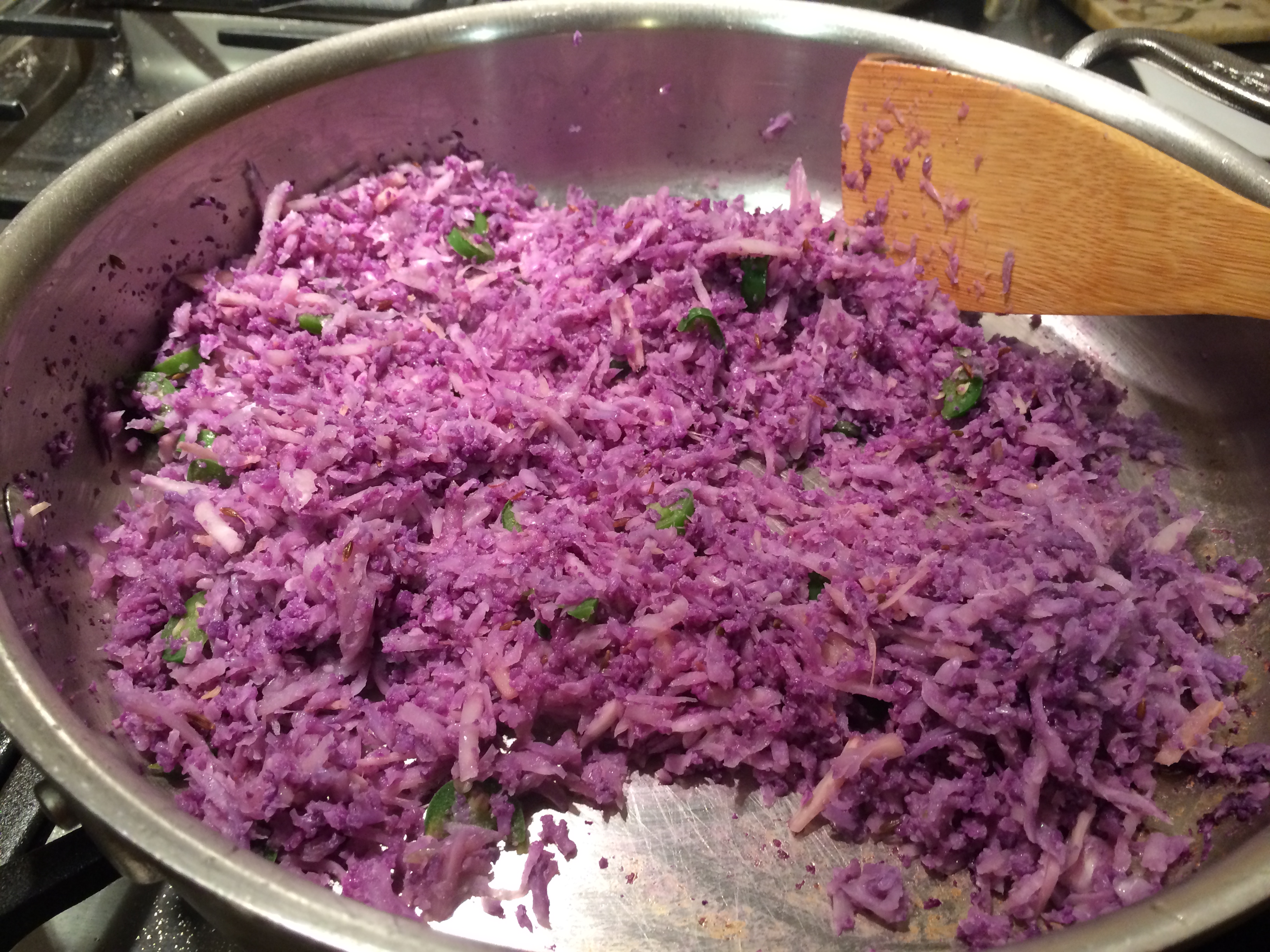
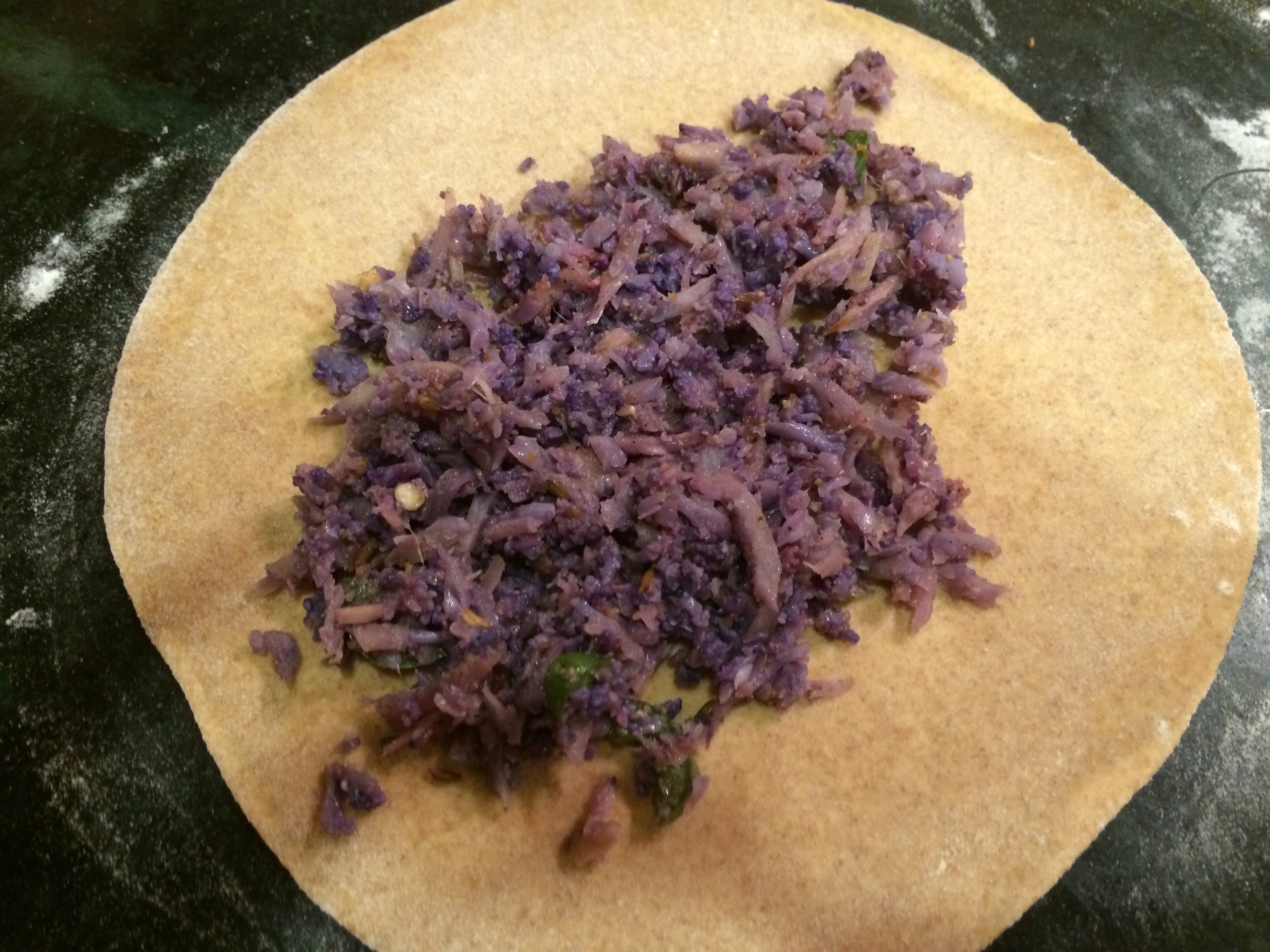
Grate the cauliflower, mince the ginger and chili. Heat the oil in a large thick-bottomed pan on medium heat. When it shimmers put in the asafetida and the cumin. When they sizzle put in the ginger, chili, and grated cauliflower. Stir to coat with oil. Add the salt and the chaat masala. Raise to heat to nicely dry the cauliflower. It is very important to get the cauliflower to be as dry as possible, or it will make your life hell while rolling out the parathas. When it is dry enough, turn off the heat and let it dry.
IMG_1022 IMG_1023 IMG_1024 IMG_1025 IMG_1026 IMG_1027

Method for composing the parathas:

Roll out a roti about 6 inches in diameter. Place the right amount of filling in the center. For the cauliflower it is about 3 heaped tablespoons, for the potato filling it is about a 2 – 3 inch disk of potato. Gather up the edges of the roti and give it a squeeze. Flatten the pouch into a disk and start rolling it flat with the filling inside.

IMG_0934 IMG_1028 IMG_0935 IMG_0937

While rolling parathas the ever-present danger is that the filling will come squeezing out like toothpaste out of a tube. One must learn to avoid that. One way is to use a very gentle hand while rolling — you don’t want a few long, weighty rollings, instead many quick, darting, gentle rollings. Use dry flour as needed to patch up holes.

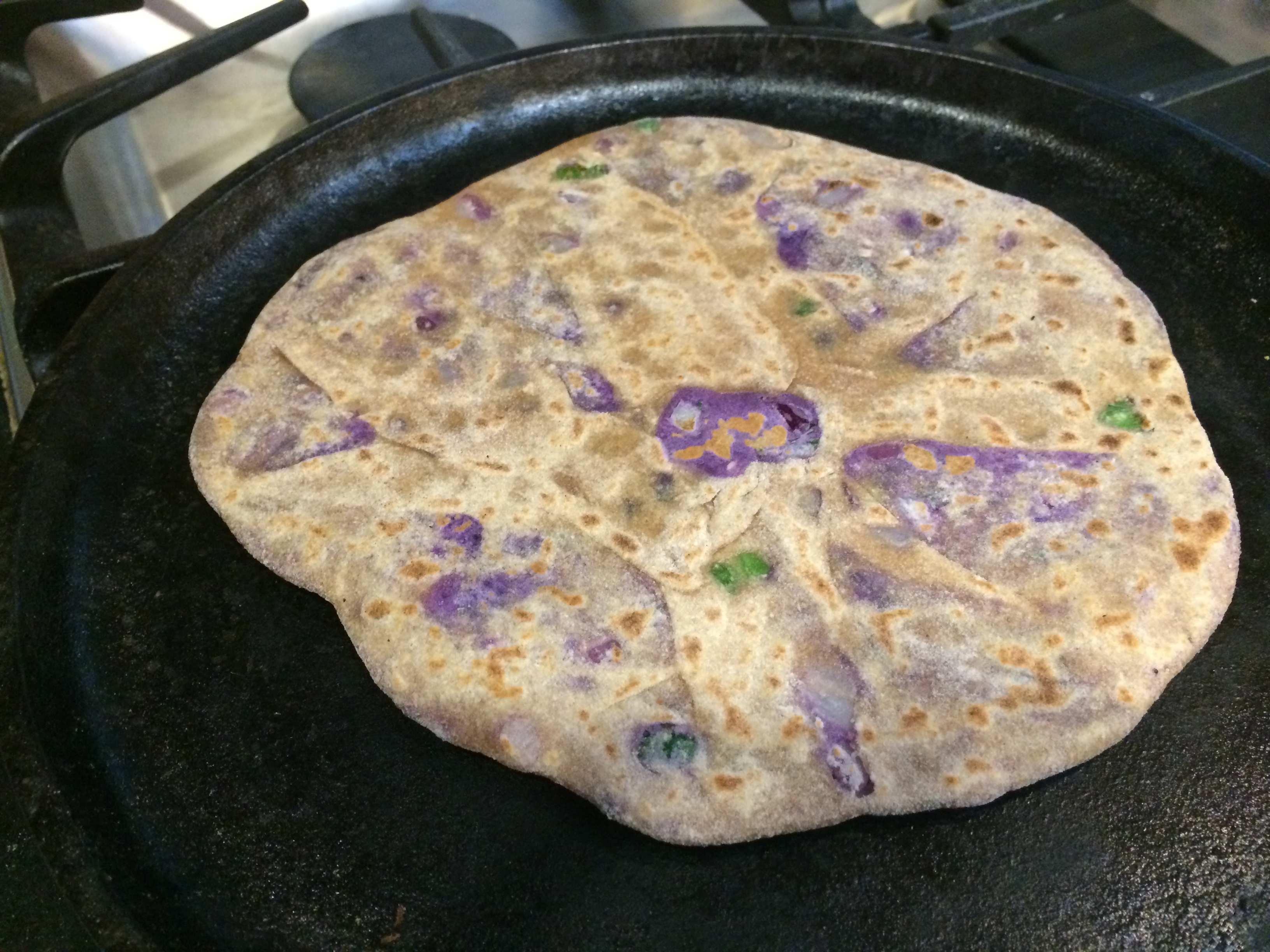
The ideal paratha, when rolled out, has such a thin roti cover that one can see the filling peeping out in various places, but it doesn’t actually fall out. Keep your eye on that ideal.

Meanwhile have a cast-iron griddle or tawa going on a medium-high flame. Slap a prepared paratha on. After 30 seconds, the top surface will seem a little set. Flip it over. Wait 30 seconds. Now spread a bit of oil or ghee over the top surface and flip it over for another 30 seconds. Repeat. In total, each side has been cooked dry twice, then cooked with oil twice.
IMG_0938 IMG_0939

While one paratha is cooking, did you think it was time to stand around and have a coffee break? No, my dear, get busy rolling out the next one. When one gets practiced one can have two griddles going at once.

IMG_1031

Have it with some plain yogurt on the side, nothing else is needed.

Malvani gravy with Salmon and a creepily Moving Finger

“The Moving Finger writes; and, having writ,
Moves on: nor all thy Piety nor Wit
Shall lure it back to cancel half a Line,
Nor all thy Tears wash out a Word of it.”

— Omar Khayyam

I call bullshit on that. We are in the interwebs, people, and the Moving Finger can do what it damn well pleases. So it did. I used my Malvani spice paste to make a nicely-flavored gravy in which I floated some salmon; but I also used the opportunity to tighten up my ingredients list for the spice paste itself. So a post from months ago has been updated with more precise amounts and, ahem, better formatting. Check it out. Take that, Omar.

IMG_1018

I also made another discovery — this spice paste that we had used at home forever, taught by our Malvani cook, is actually none other than the famous Goan Xacuti masala; which in turn is none other than the Portguese Chacuti — but apparently not the Portuguese from Portugal, but the Portuguese from Goa when it was colonized. Learn something everyday. Also enables me to correctly tag this post.

Malvani gravy with Salmon (Goan Salmon Xacuti)

Now anything can be put into this gravy; usually some kind of flesh; but I don’t see why vegetables or paneer or tofu might not belong either. I used salmon and this made enough for a dinner for two along with white rice.

Ingredients:

  • 3/4 pound salmon (steak or fillet)
  • 3 tablespoons Malvani masala
  • 1 small onion
  • 2 medium tomatoes
  • 2 tablespoons oil
  • 3/4 teaspoon salt

Method:

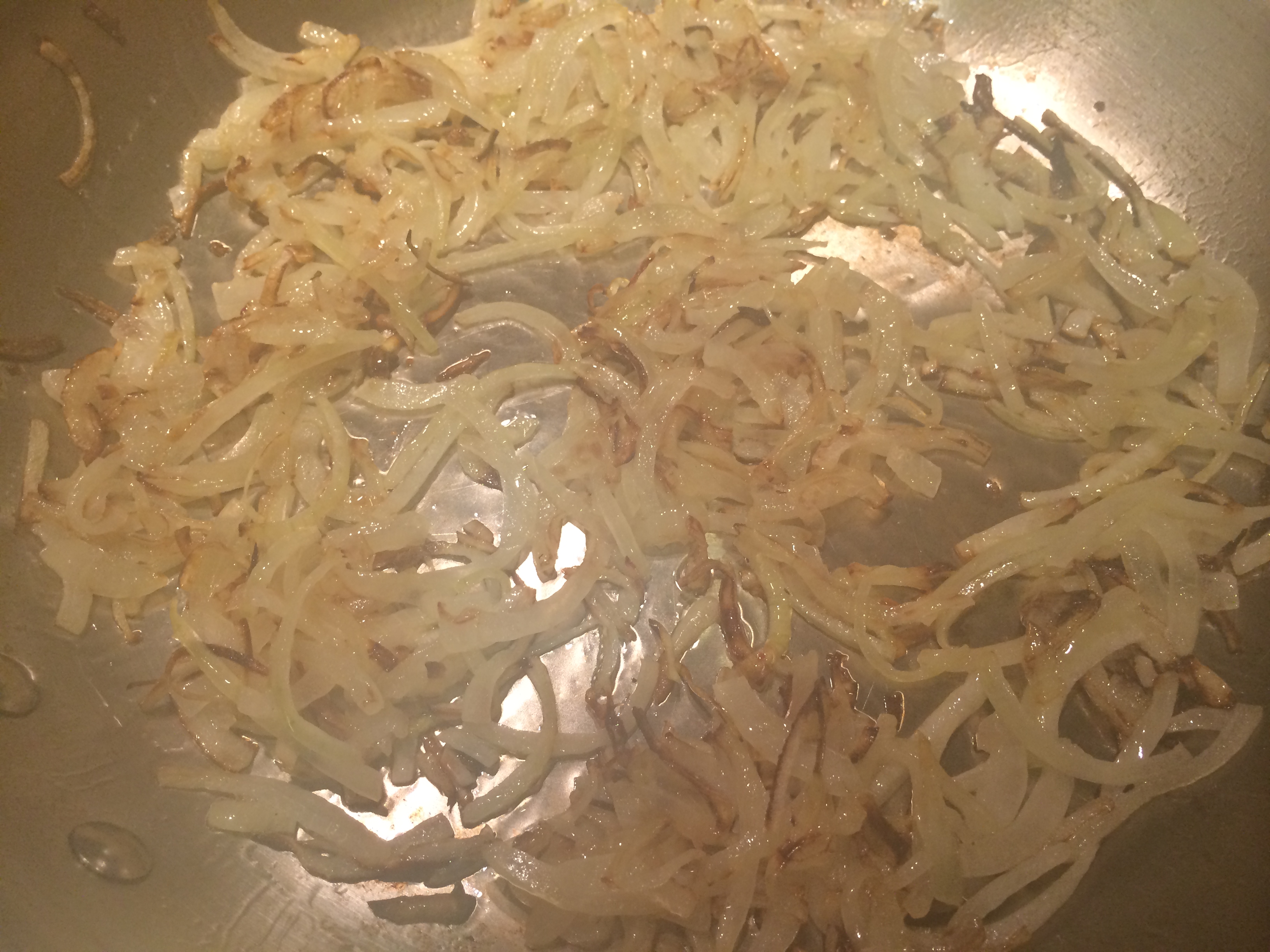
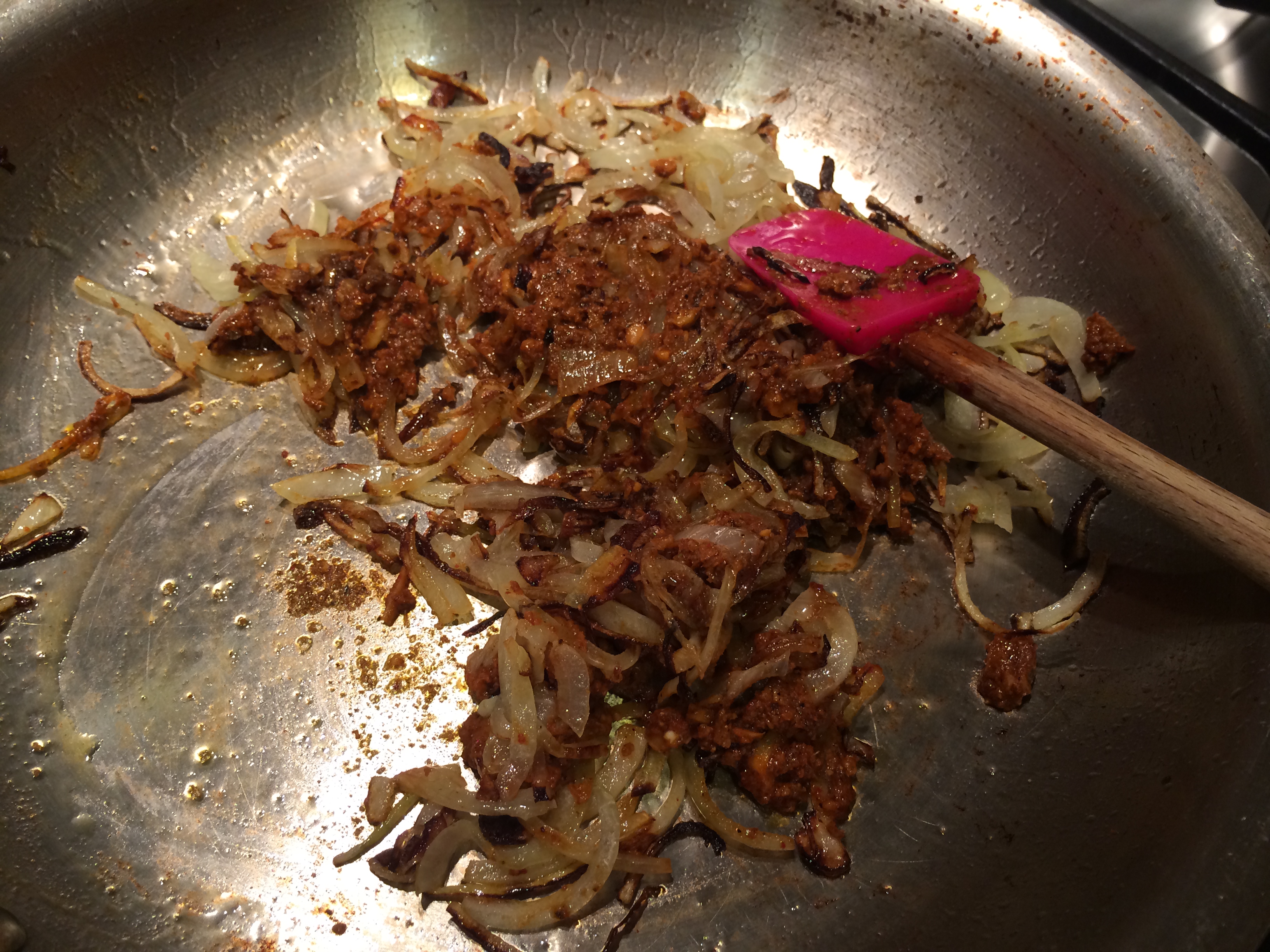
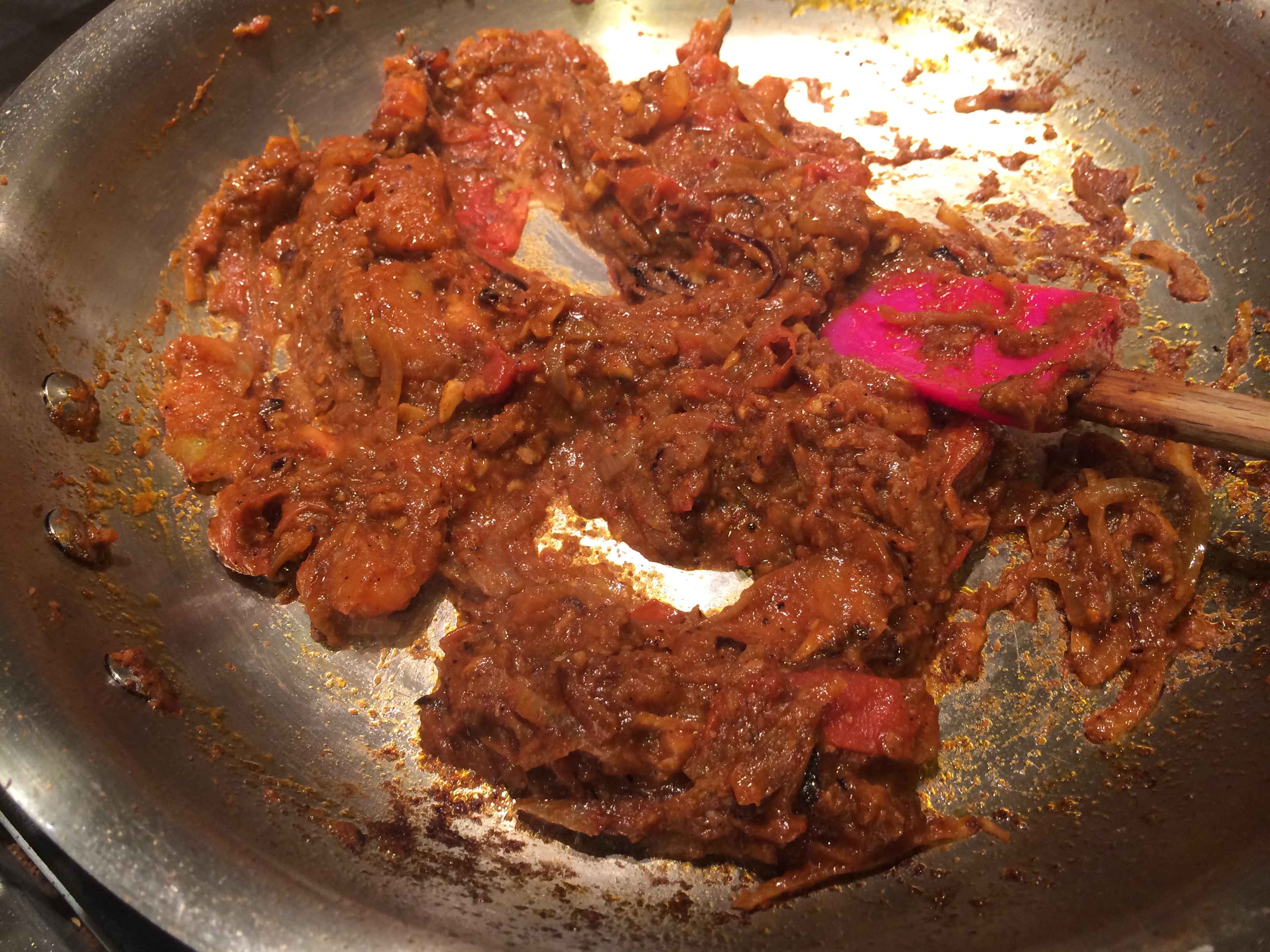
Slice the onions thinly and fry in the oil until somewhat browned. Read this for the proper method. Put in the Malvani masala at this point and stir and cook it on medium heat for a few minutes. Dice the tomatoes and put those in. Let them cook to the point they liquefy and dry up.

IMG_1009 IMG_1010 IMG_1012 IMG_1014 IMG_1015

Now this base must ‘lose its raw smell’ as my mother said; which means, must be boiled with about 3/4 cup water added in. Boil it on a simmer for about 5 to 7 minutes.

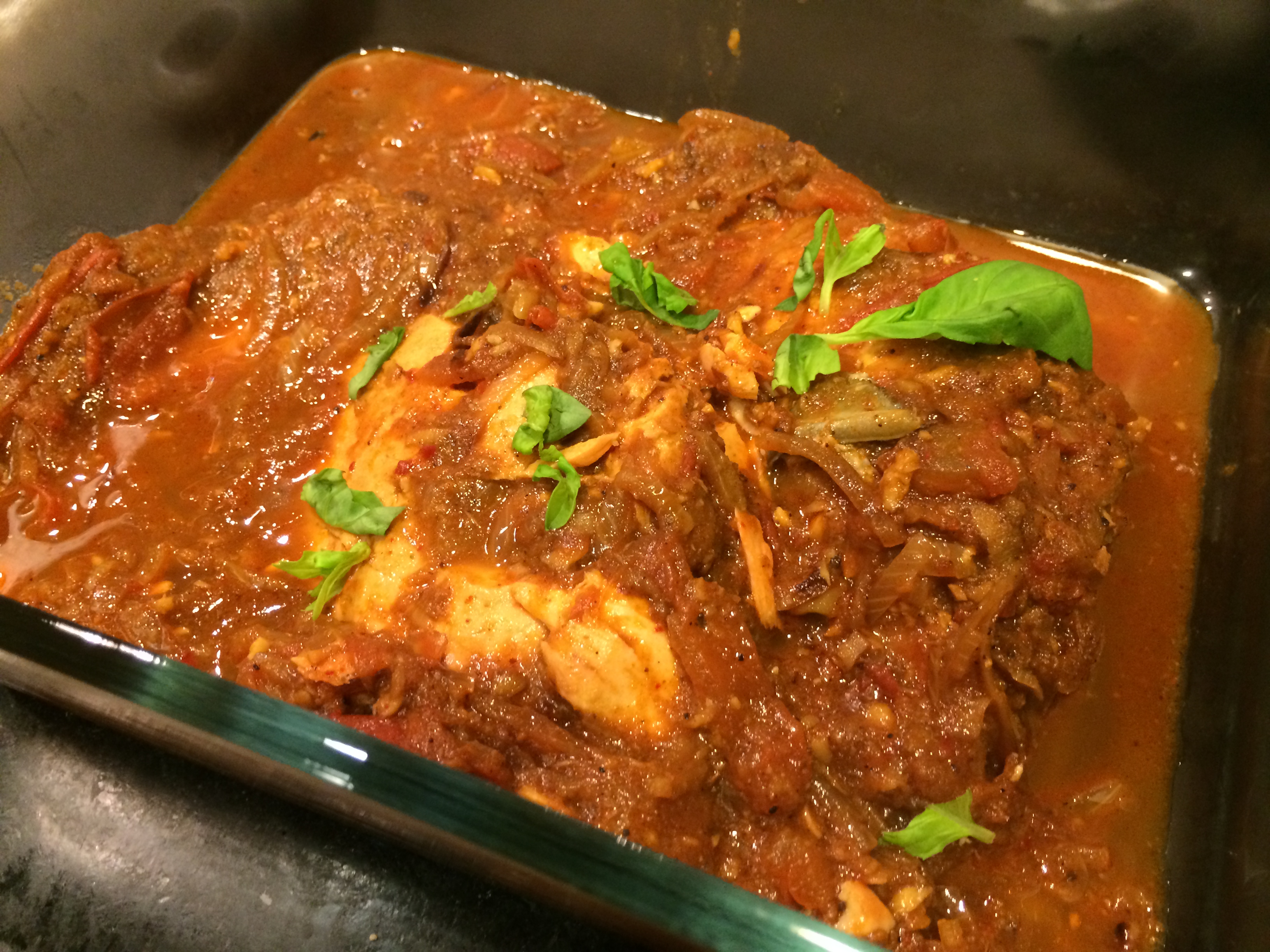
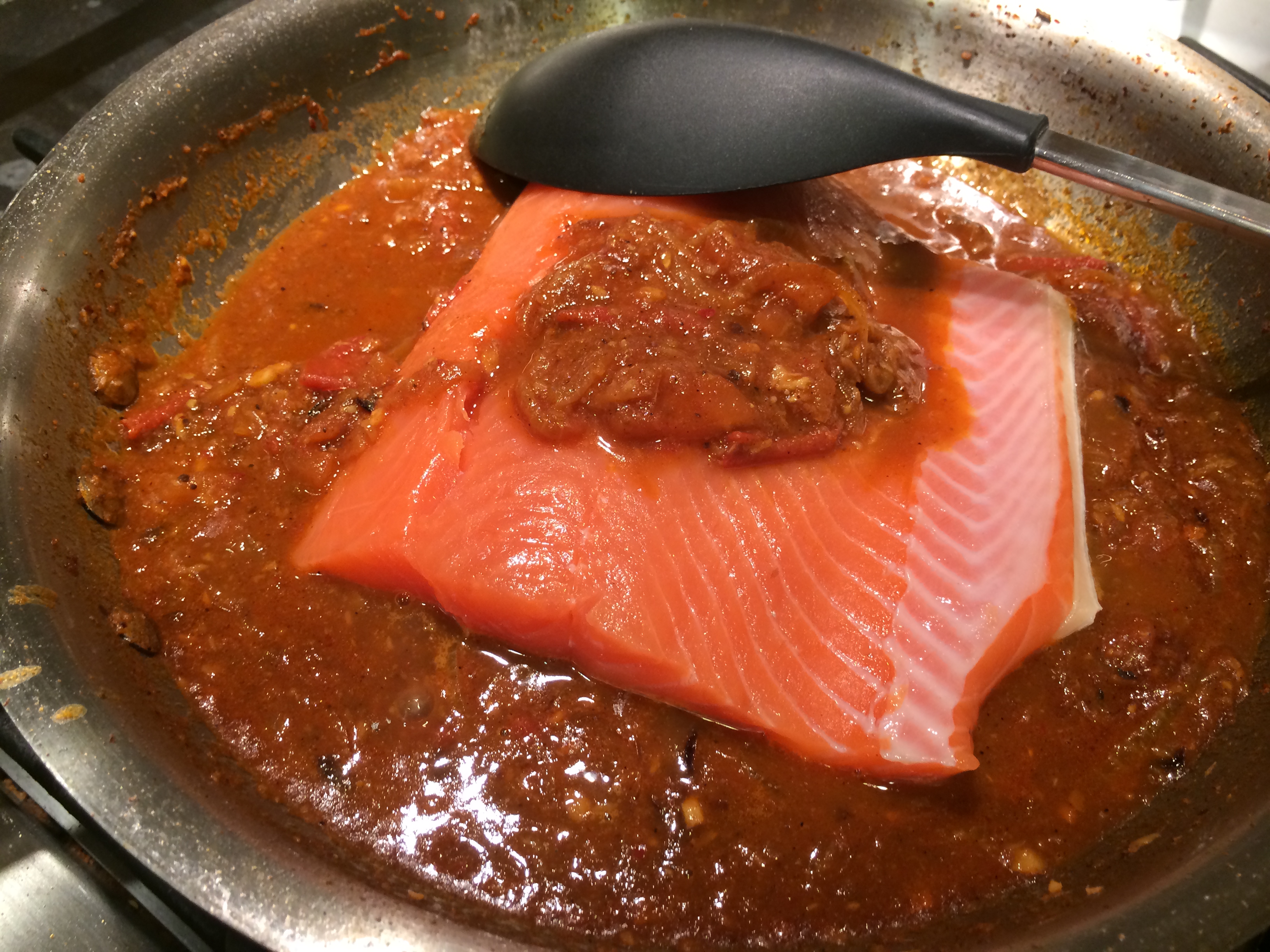
Now the salmon makes its entry. Sprinkle the salt over and cover with the gravy. Keep the gravy at a low simmer, cover and cook for about ten minutes.

Any greens might work for garnish but I used basil.

IMG_1016 IMG_1018

15 Ways that Indians and Americans Eat Differently

I think about food a lot. I don’t have a huge appetite, and I wish I could grow it so I could think about food even more. But I do spend a lot of time thinking about food anyway.

So you can imagine that out of the first 24 years of my life, which I spent in India, and the next — well, many years — that I have spent and am spending in the United States, a good part of that was spent thinking about food. The flavors; the ingredients; the cultural differences.

So my point is — there is not much I can claim expertise on, but this is probably it. It’s inconsequential, it’s fluff, but I’m an expert in it. How do eating styles differ between India and America? Sorry — I meant to say that in a more catchy way. The 15 Ways that Indians and Americans Eat Differently. Looky here, BuzzFeed!

1. Carnivorous v/s herbivorous:

This is no secret but Americans are more carnivorous than Indians. Way more. Way, way more. Ten times more, as a matter of fact, per person.

Global meat consumption per capita

Clearly the fact that India is not as economically developed as the United States is big a factor, and all experts agree, meat consumption in India will go up with GDP. But not as much as you would naively expect. You see, there were these guys some time ago — you might have heard of them, or might not — by whose influence Indians gave up meat almost altogether. One’s name was Siddharth, he was a prince, but you might know him better by his other title: The Buddha. The other was an emperor. His name was Ashoka, but most people know him better by his symbol, the wheel in the middle of the Indian flag. And then there was another prince, Mahavir by title, who created the Jain religion, about the strictest in the world in its edicts to cause no harm to other creatures.

2. Sugar and spice:

Another non-secret is that Americans consume a lot more sugar than Indians.

Global sugar consumption per person

A typical breakfast for an American might include pancakes, maple syrup, jam, or muffins. A typical breakfast for an Indian might include a number of different things depending on the region, but would include chutney or chilies. Indian desserts are very sweet indeed, but one has less of it, and not with every meal.

3. Industrial grease v/s elbow grease:

Good old fashioned American ingenuity extends to food: Americans eat way more processed food than most other countries. I had never heard of recipes that included Campbell’s chicken soup and Dorito chips as ingredients before I came to America. Factory-made cheeses in America must by law be called ‘cheese food‘ to distinguish them from the real thing.

4. Ingredient List Length:

In America a typical ingredient list is about four items long. This includes the main item — say fish. The four ingredients might be, fish, salt, pepper and olive oil. The typical Indian ingredient list for say, fish, to compare apples to apples, is about 15 items long. About half or more items might be spices.

5. Time Spent Cooking:

Because of the above, in America dinner is ‘prepared’ or ‘fixed’: doesn’t that give a sense of some pieces being put together? The fish is dressed simply and put under the broiler; meanwhile the bag of green beans is snipped at the corner and nuked; the dinner rolls are wrapped in a napkin and stuck in a still warm oven. Stuff is brought to the table. In India, food preparation starts in the kitchen at least an hour before the meal, possibly the night before, with the soaking of beans. I’ve often spent two hours before dinner chopping, sauteing, stirring.

Life is harder in India, but somehow we have more leisure time; a lot of that is spent in the kitchen over the minimal two-burner stove. In America, kitchens are palatial and magnificent and six-burner stoves are a maintstay of the foodie (we have a four burners ourselves), along with two ovens and a microwave, but we don’t seem to have much time to spend in food preparation. This is true especially for lunch, which in America always seems to be a quick meal. In India, there is hardly any distinction between lunch and dinner — both are equally elaborate.

6. Who does the cooking:

In India: mothers, grandmothers, the Brahmin family cook, or maids. In America: sometimes mothers and sometimes fathers. And sometimes no one.

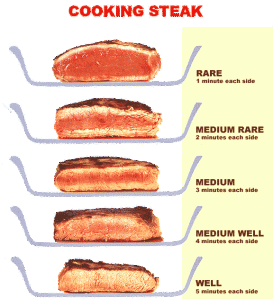
7. Doneness:

Steak doneness chart

Steak doneness chart

This is a concept that I learned only after coming to America. People are such connoissuers of meat here, and meals are simple so that each ingredient matters more, so there is a lot of stress on when exactly food is considered ‘done’. Ten seconds too early, and it might be too rare and could kill you. Ten seconds too late, and the meal is rubber. Finicky, finicky. I never used the thermometer while cooking until I came to America.
In India, warmth is felt on the wrist; steaks are never eaten, so the question of rare or medium doesn’t arise; most other meat is prepared in the pressure cooker with spicy gravies around it; and it is ‘done’ when you hear two whistles. Possibly three, or four.


8. The Sandwich:

The American sandwich

The American sandwich

The Indian sandwich

The Indian sandwich

The American sandwich is the Incredible Hulk while the Indian sandwich is Tintin. It’s no wonder that sandwiches are a staple lunch food in America, while they are considered a snack in India.


9. The Salad:

This is another area where the typical American ingredient list is way longer than the Indian one. Americans have taken salad to a high art; can we say, also a high-calorie art? The variety in dressings alone is enormous. About fifteen types of premixed dressing are available on any typical grocery shelf; another fifty can be concocted at home. The variety in greens has exploded to include reds (radicchio) and bitters (endives). The American salad welcomes any type ingredient, be it chicken or bread or beans.

The Indian salad on the other hand may be a few leaves of lettuce or some sticks of cucumber. There you go, there’s your salad. If you get lime juice on it you’re lucky. Remember to spit out the stems!

10. Attitude towards chili heat:

Another quirk of Americans is to get into a bit of chest-thumping over being able to eat hot chilies. This may be a misconception on my part (I am a furriner after all) but it seems like in America the hotter the food you can stomach, the more macho you are. While in India I have seen old, frail grandmothers chomp on fresh green chilies straight with only raw onion as an occasional crutch. In my family it is the women who can eat hotter food (in fact, they need heat, without which they can taste nothing); and the men who shy away. Without feeling like their machismo has been questioned.

11. The Convenience Racket:

Have you ever opened a coconut to pry the flesh out? I had occasion to do this yesterday. This is not easy. Breaking it requires a hammer and a hard floor. While prying the flesh out I feared gouging my palm several times. When it splits, if you haven’t had the presence of mind to sip out the water, which by the way needs a screw-driver, you have a wet mess on your hands. Meanwhile, the counter is covered with brown coconut fibers, and the floor needs sweeping too.

Now think about how things would be different if the coconut was an American fruit. They would have engineered a shell that came with a zipper that neatly opened. The shell would be shiny smooth, there would certainly be no fibers — they would have been harvested for cattle feed already. The flesh would peel out in neat portion-sized strips by a mere touch of a finger.

Do you get my gist? Somehow Americans manage to genetically or otherwise engineer food to be incredibly convenient. Rough edges are smoothed out. Fruits like custard-apple (cherimoya) or pomegranate that serve a hefty dose of seeds with each bite don’t catch on.

Dirt — dirt is washed out at the farm. When we purchased lotus root at home, there was no mistaking the fact that someone had to wade into a muddy pond to get it. Garlic cloves were so small that you needed to peel about a hundred for a meal.

What is the problem with convenience, you ask? Nothing! If you had asked me yesterday, when I was struggling over my coconut, I would have said, I love it, bring on the magic zippered coconut! If you ask me on the days when I desperately miss the starchy, small-grained Indian corn that one roasts over coals to a char; or when I miss the crunch of seeds when I bite into watermelon: I say, perhaps we lose something in the Convenience Racket?

12. The Squeamishness Differential:

Americans are squeamish about fruits and vegetables they have never heard of; spices; textures of food. Pulpy — no good. Slimy — no good. Too mixed up together, ingredients not separate enough — no good.

Indians, on the other hand (including me), are squeamish about pungent cheeses, and meats that are prepared too plainly.

13. Health advice fads:

Food and health, of course, are intimately related; there have always been dozens of oughts and ought nots thrown around in any culture. Health advice also tends to run in fads. One year beans are a hit, another year they are the worst thing you can eat, filled with toxins. I tend to like Michael Pollan’s advice on this, to eat real food, mostly plants, and not too much.

But then the giant health food industry would grind to a halt, and we can’t have that, can we! In my years in America I have seen two sea-changes in health advice: from low-fat to low-carb; and innumerable other food-villains have been first villified and then, reluctantly, brought back to the plate. Eggs are one. Butter is another. I think gluten will return too, or perhaps that is my love for bread talking.

In America these health fads have proper names, and often have books, videos, or meal plans associated with them. I’m thinking Weight Watchers; Atkins; Paleo. I don’t doubt that each one is a profit-making machine in its own right.

India has its health advice fads too, but here is the difference — these fads are mostly hundreds of years old. They never seem to go away. One is the fad of ‘heating’ and ‘cooling’ foods from Ayurveda. This is almost like gender — each food is assigned to be either ‘heating’ or ‘cooling’ by the ancients. Too much of the heating type and you come out in pimples, sort of like a volcano, I guess? Too much of the cooling type and you might have aching bones. Forgive me, this gendering of food has no basis in science as far as I know, and is necessarily vague.

Another is to do with food combinations. One is never supposed to have milk with fish. Or water after eating cucumbers. My mother warned me that if I broke these rules I would get ‘vaaee’.

Hm. I have broken these rules a number of times now, so I guess I am now cursed with the mysterious ‘vaaee’…looking at my situation in life I take it that ‘vaaee’ gives you slowly graying hair and weight in unwanted places.

14. The Vegetarianism Differential:

Vegetarianism is relatively new in America; and tends to be chosen by people who care about health, animal welfare or the environment. More power to them, I say. The braver among them might choose to go vegan and avoid all animal products entirely (including leather).

In India though, vegetarianism is thousands of years old and is often demanded by religion, if not, by culture. Entire families and castes might never touch meat. But here’s the difference — no matter how ‘pure’ the vegetarian family is, veganism is pretty much unknown. In fact, cow slaughter is forbidden partly because we obtain milk from the cow and that makes it a somewhat maternal animal. The pure vegetarians, on the other hand, might avoid onions and garlic.

15. The Backlash!

Americans spent the fifties discovering processed food. Feminism swept over the land at the same time; none of it was inevitable, but the two movements colluded with each other to take people out of their kitchens into the aisles of corporations.

But now — now is a wonderful time to be a foodie in America. All those years of convenience and gradually deteriorating food quality have led to a backlash. America taught me to honor my ingredients like I never did before. There is a huge amount of respect for the craft of cooking as well.

I often get anxious about my home country’s trajectory in this arc. My peers are already cooking less than families did when I was a child. Options for eating out have exploded. Women are working out of the home in larger numbers, but men have not turned to the kitchen in equal numbers. Is the simple act of rolling a roti destined to become an exotic craft? I hope not. Time will tell.

Disclaimers:

This reflects my own experience and your mileage may vary. Please tell me in comments, agree or disagree! Did something strike a chord? Make you mad? Extrapolating from your own experience is always dangerous. But, extrapolate we must.

‘Extrapolating’ — from xkcd

A meditation on tempering and a good-tempered moong dal

IMG_0824

Very little meat is eaten in India; many families are entirely vegetarian, but even the others (like mine) hardly got around to buying meat for the dinner table once or twice a month. I have met a lot of people in the United States who find that hard to believe. In this country all three meals are sometimes centered around meat. In addition to forming the main course, meat products are used to flavor the food: whether it is the use of chicken broth, or bacon cooked into the sauce base or thrown on salad, or ham hocks as a base for tough greens like collards.

Many modern cooks here are learning to leave aside the bacon in favor of aromatics like onion and garlic. In my mother-in-law’s generation people were a little afraid of these ‘strong’ and ‘aggressive’ flavors; nowadays, they generally lead to a flurry of swooning.

But what if you were to leave out the meat, leave out the eggs, then in a fit of pique throw out the onions and garlic too?

What would food taste like then? Is one supposed to develop a taste for grass? Well it turns out that this type of cuisine is one of the most flavorful in the world. Jain food, which is pretty much synonymous with the Sattvic or ‘pure’ food of Hinduism, leaves out any foods that might cause harm to other creatures; clearly this is an extremely high bar, but in practice, that means no meat, eggs, fish, onions or garlic.

That still leaves the wide world of vegetables (including my beloved cauliflower), all kinds of lentils (dals), grains from wheat and rice to millet and sorghum, the nutty fragrance of ghee, and of course what India is famous for, which is spices.

Tempering

My personal opinion — the ingredients are great and all. But really what sets apart Sattvic cuisine and Indian cuisine in general is the technique of tempering. Known by various names — tadka, chhaunk, bhagaar or vaghaar — this is the method of heating fat and throwing in whole spices until they release their essential oils.

Most non-Indian people ask me if I grind my own spice mixtures for Indian food. The answer is yes, I do. But for most everyday food, I don’t need to — because I just use them whole while tempering.

This is the basic process of tempering. Heat oil or ghee in a thick-bottomed small pan. When it shimmers (in case of ghee it should completely melt and a fragrance arise) the spices are put in. There is a certain sequence to the introduction of spices to the oil. There is, I admit, a bit of magic to this. Asafetida, if it is used, usually goes in first. Dry red chilies, if used, go in next. Mustard seeds (for me) usually go in last because they will pop with a vengeance. In between come the other whole seeds. Then in go the aromatic vegetables, such as garlic, ginger, chilies, onion, if any, that the recipe demands.

Tempering can be the first step of the recipe. Or it could be the last, as in the one below. The tempered oil is poured over the completed dish and stirred in.

Now spices are great even if you prepare them in the more well-known way — which is to grind them up into a mixture. I’m not going to run this method down (a classic of many cuisines, including Indian) but here is the difference from the tempering method. When you grind the spices, you are pulverizing every bit of them into the food. This includes the essential oils but also the fibrous seed-coating and other parts. Yes, there is a bit of the cardboard taste in most of the fibers. When you have a strongly flavored meal with onions or meat and so forth, you don’t notice this powderiness. But in a delicately flavored dish where the highlight is a lentil or a vegetable, the ideal method is to draw out the spice flavor into fat, leave the seeds whole where they add a bit of crunch, leaving the tastes pure.

And if you think about it, purity is what the Sattvic type of food is centered on.

Moong dal tempered with whole spices

This dish uses a mix of the dehusked (yellow) moong dal and the split but skin on (green) moong dal. Moong dal, of course, is a synonym of mung bean. It is one of the fastest cooking dals and needs no pre-soaking. This makes enough for a dinner for two.

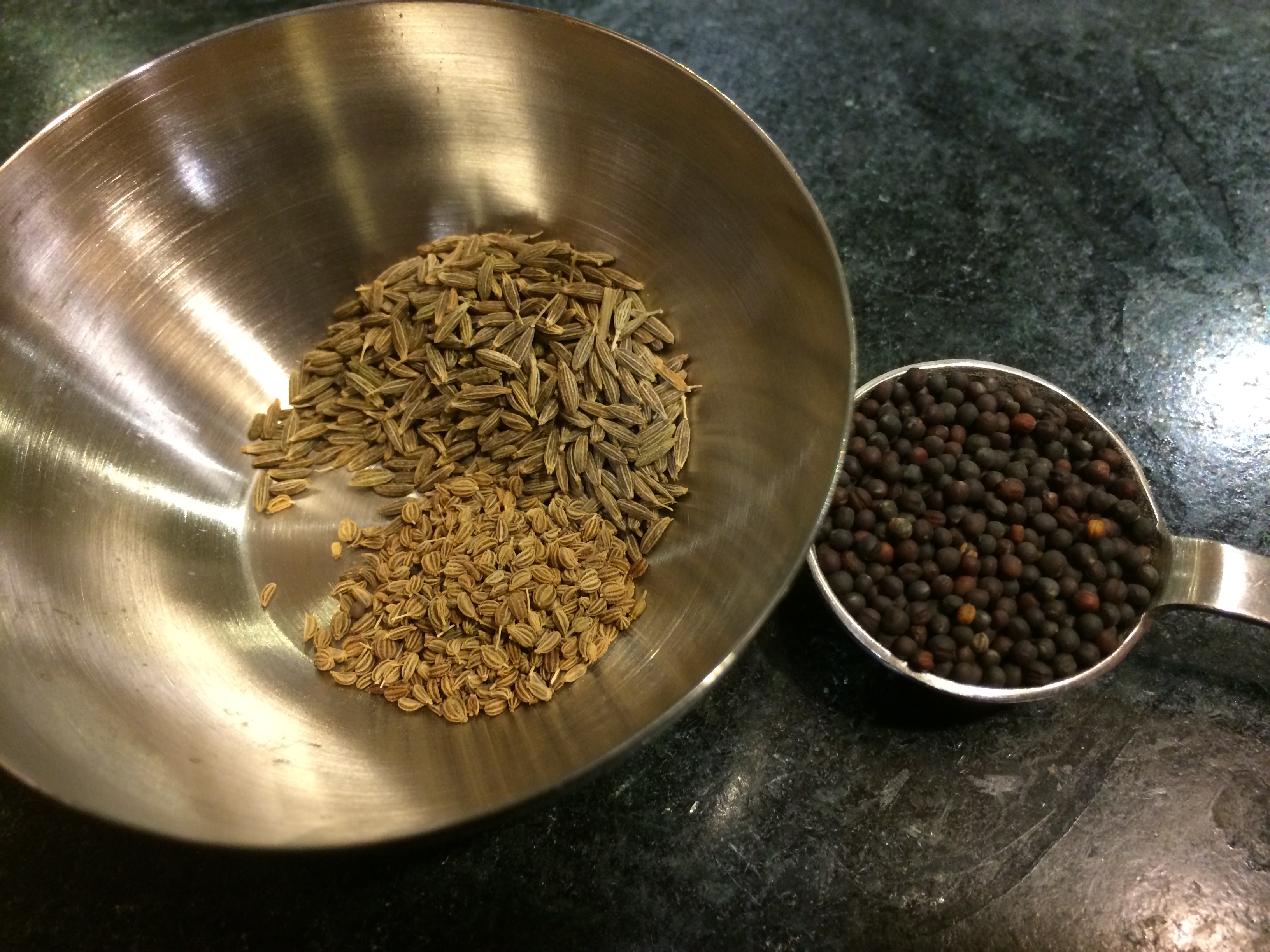
IMG_0811 IMG_0813

Ingredients:

  • 1/2  cup moong dal split and dehusked
  • 1/4 cup moong dal split but with skin on
  • 1/2 teaspoon turmeric
  • 1/2 teaspoon asafetida (hing)
  • 1/2 teaspoon red chili powder
  • 1/4 teaspoon ajwain (carom) seeds
  • 1 teaspoon cumin (jeera) seeds
  • 1 teaspoon black mustard (rai) seeds
  • 1 teaspoon salt
  • 2 tablespoons oil
  • 2 cups water
  • For garnish: dry mango powder or lemon juice, more red chili powder, minced cilantro.

Method:

Rinse and drain the mix of dals in plenty of water. Put the dal in a pot along with 2 cups water and the turmeric. Bring it to a boil with the lid off; once it foams up heartily you can lower the heat to a simmer, partially cover with a lid and leave it for 35 to 45 minutes. At this point it should be softened. Add the salt.

IMG_0814 IMG_0815 IMG_0816

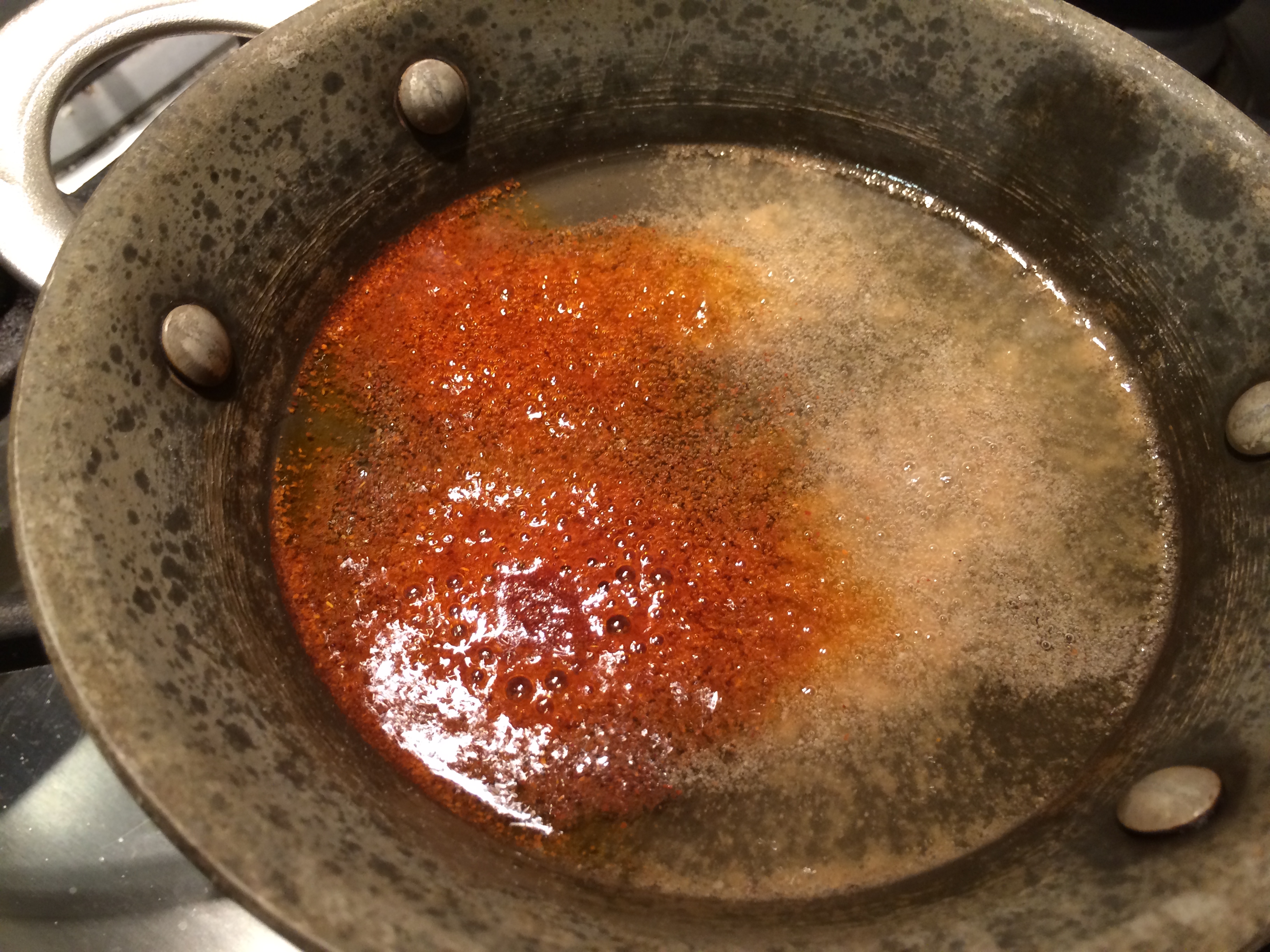
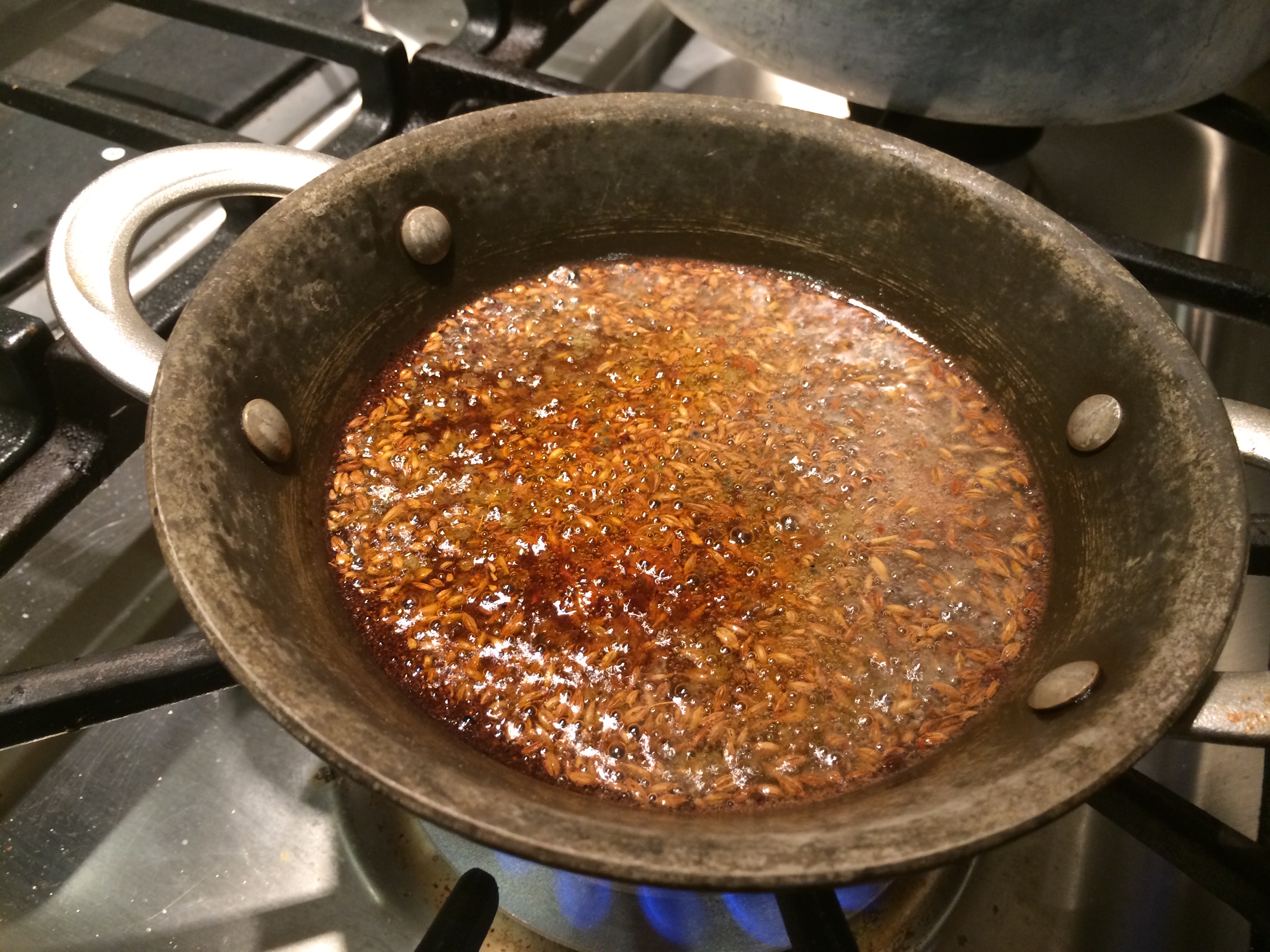
Heat the oil in a thick-bottomed pan. When it shimmers add the asafetida and the red chili powder; when they foam add the cumin and the carom seeds; when they sizzle add the mustard seeds; when they pop turn off the heat and pour the oil into the dal.

IMG_0817 IMG_0818 IMG_0819 IMG_0820

Stir and taste for salt. At this point your dal is ready, all that is left is the garnish. I have suggested some but feel free to experiment!

IMG_0822

Bloggy Love

In the six months that I have been blogging I’ve found so many unique, interesting and authentic food blogs, that I wish I was the Nobel committee for Food Blogs and I could nominate some of these for the Nobel prize for Food. But alas, I’m not, I’m just a food blogger, and what I can do is showcase them on my front page.

These are the blogs I go to often, to find ways to use unusual ingredients, or for tips from a regional cuisine, or tips from a grandmother, or just for inspiration. I will add more as I follow more. Have a look at the blogroll down the left side. Enjoy and give them some clicks.