Beasties in my batter

My mother always said that South Indians are much smarter than the rest of us simpletons because they eat a lot of urad dal. This is a bean I have mentioned before. It is alternatively called black gram or Vigna Mungo; this is what it looks like:

Vigna mungo, black gram, urad dal: whole on the left, split and dehusked on the right.

Vigna mungo, black gram, urad dal: whole on the top, split and dehusked on the bottom.

It is closely related to the more well-known moong dal (mung bean), they are both in the Vigna genus, which means they are about as closely related as…say…the polar bear and the grizzly bear to each other. Urad dal, though, has a blacker husk, and white (not yellow) underneath.

Even though this bean is eaten as a dal all over India, its most interesting use is in the fermented cakes and crepes of South India — idlis and dosas. In order to ferment it, the lentil is first soaked and ground thoroughly, and mixed with rice batter.

Fermentation of the Lactic Acid type

Let’s take a little digression into what fermentation does to the batter.

Fermentation

Fermentation

  • The mixture is kept warm, and you know what happens when you leave something out of the fridge — a whole jungle gets started in it.
Jungle of beasties

Jungle

  • Creatures like lactic acid bacteria, yeast, and bacteria that like to breathe air. They do battle, and one-by-one, are felled. The air-breathing bacteria (we know them as ‘contaminants’) are killed off right away, while soaking. The yeast also goes nowhere (unless you cheat by adding commercial yeast, which basically sends reinforcements to the yeast faction). The salt kills off many other weaklings.
  • What wins out is a certain lactic acid bacteria called Leuconostoc mesenteroides; and it brings a lactic acid bacterium friend, called Streptococcus faecalis.
Leuconostoc mesenteroides

Leuconostoc mesenteroides

  • These guys get busy stuffing their faces with your batter. They mostly gorge on the sugars and starch.
  • You know what happens when creatures eat — they produce stuff. All right, let’s get graphic — they excrete. One thing they produce is lactic acid, which is responsible for the pleasantly sour taste of idlis and dosas. Another thing they do is pass gas — in this case, it is carbon dioxide. This gas — CO2 — which is also responsible for the bubbles in bread, soda and beer — makes the batter rise and become fluffy. The cool kids call this ‘leavening’.
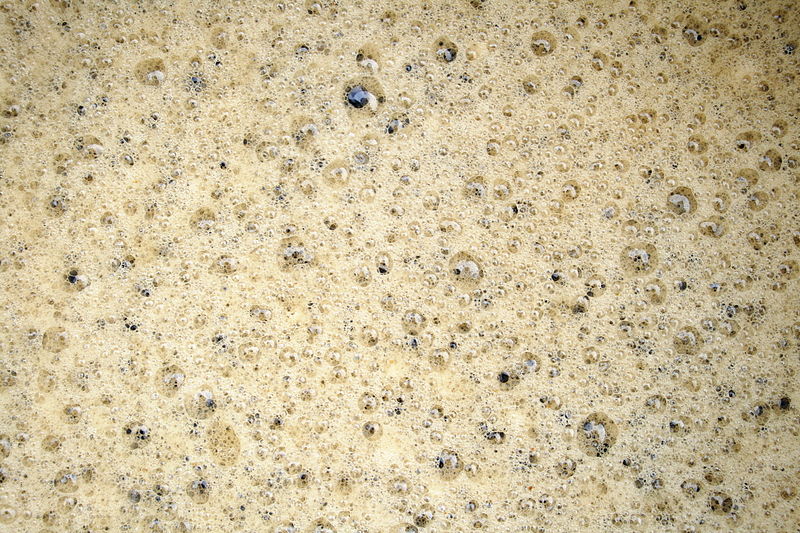
CO2 bubbles

CO2 bubbles

  • They also somehow increase the amount of vitamin B1, B2 and B3 in the batter.
  • Even though beans and dals of all types are really good for you, they also come with a bit of a sting in the tail — they have some ‘anti-nutritional’ properties which prevent your body from absorbing the goodness. Well, fermentation reduces those bad things.
  • One of the anti-nutritional properties of beans are those that cause you to…you know…flatulate. So the beasties in your batter are helping you from doing that too much, which is a good thing.

So now I’m thinking that my mother was wrong…it is not just urad dal that makes you smarter; it is the little beasties that ferment it.

Idli / dosa batter

Ingredients:

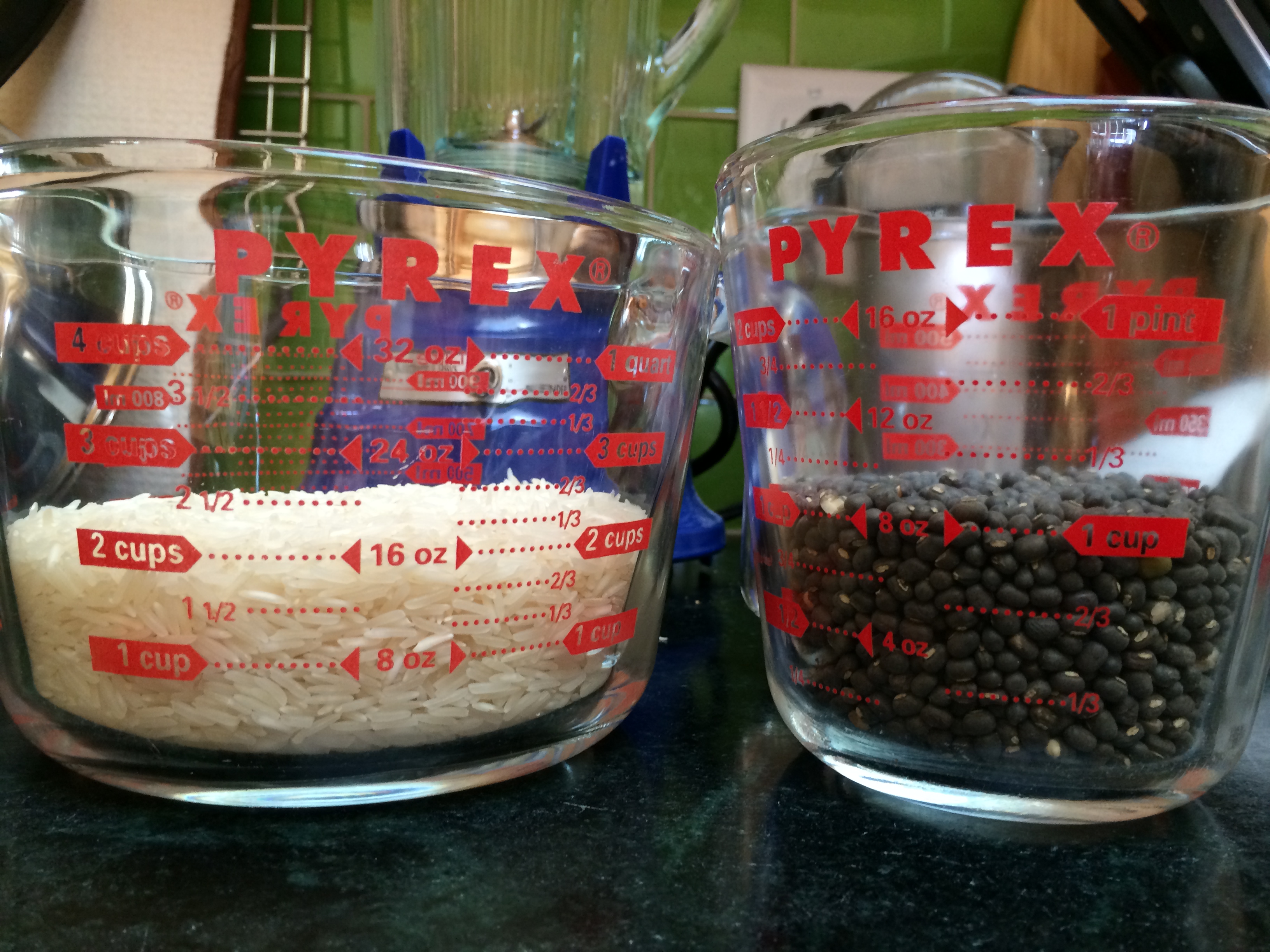
  • 1 cup urad bean, whole, skin on (I used whole grain to add that extra bit of nutrition to it).
  • 2 cups uncooked white rice (I used basmati but a short or medium grain white rice would work as well or better).
  • (in general a 1:2 ratio or dal to rice works well; you can experiment with 1:3, but don’t alter it more.)
  • 2 teaspoons salt (lactic acid bacteria finds salt very congenial, unlike yeast).

Method:

Rinse the dal and rice once in plain water and drain. Now leave them to soak in very generous quantities of filtered, room temperature water, separately. You must leave them for at least six hours; but I let them soak for more than twelve.
IMG_0016 IMG_0033

At the end of this time, the rice will have almost doubled, while the beans will have almost tripled. The black gram beans will have become lighter into a green, as seen below:

Black gram (urad dal), soaked

Black gram (urad dal), soaked

Now it is time to grind them separately. I used my trusty blender. This is not the ideal choice, because there is a chance the blades get overheated and kill the beasties. The ideal would be a stone grinder (also known as a wet grinder). Maybe someday I will make the big bucks and spring for one of those. In the meantime, I slum it with my blender (that I got for free from American Express). I have never had a problem.

Let’s do the rice first. I drained it, and added a cup of fresh filtered water along with it. Blend it for about 4 minutes, with breaks. The end result will be a thick white liquid. When you squeeze some between your fingers, you should feel tiny grit, which is the ground up rice. You are not trying to get this to be perfectly smooth. Tiny grit is what you are looking for. Empty it out into a very large bowl, that will be used for rising.

Next let’s do the drained dal. This time you will need to add a cup and a quarter of water to the blender. Blend for about 4 minutes, with breaks. The batter this time will be fluffier and not as watery. When you feel it with your fingers, it should feel smooth, not gritty.
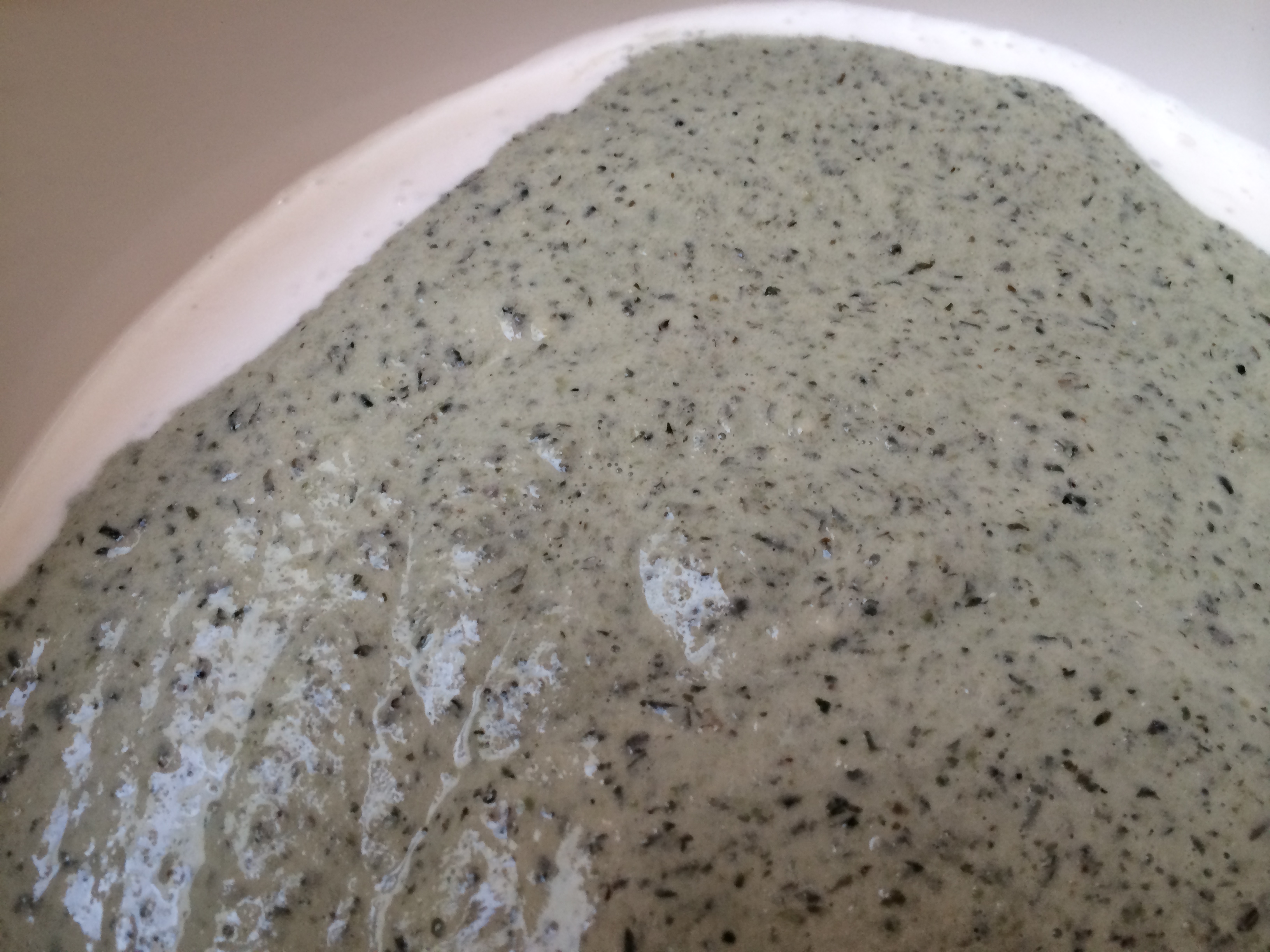
IMG_0036

Black gram (urad dal) batter mixing with rice batter

Pour the dal batter in along with the rice batter. Add 2 teaspoons salt. Mix it with your hands; this is one of those instructions that every South Indian mother imparts to her children; as far as I am aware, no scientist has tested why this is so. The beasties are already on the bean, so it isn’t that. Could it be that this step imparts warmth? In any case, using your clean (but not sanitized) hand, gently stir the batter to combine. Leave it covered in a corner in your kitchen.

Now. I left it at room temperature in San Francisco, but the ideal is room temperature in South India, which would be in the nineties Fahrenheit. So if you like, you can leave it in the oven to rise, with either the oven light on to create warmth, or, after turning on the oven to about a 110 F and turning off. In a warm oven with the light on, this will take 12 hours.

Room temperature of about 70 F worked fine for me, but it did take longer.

In about 12 hours I raised the lid to take a whiff — oof! Wet socks, toe jam, belly button cheese…not sure what else it reminded me of. Clearly, my batter had developed a yeast infection. Be not squeamish, ye of little faith! Put the lid down and keep going.

Now I am not sure if this is typical, but it sure smelled like the batter went through a yeast infection phase on its way to a proper lactic acid bacterial infection. It could be that because I do so much bread in my kitchen (including sourdough) that the little yeasties are floating about just dying to get their naughty little hands into stuff.
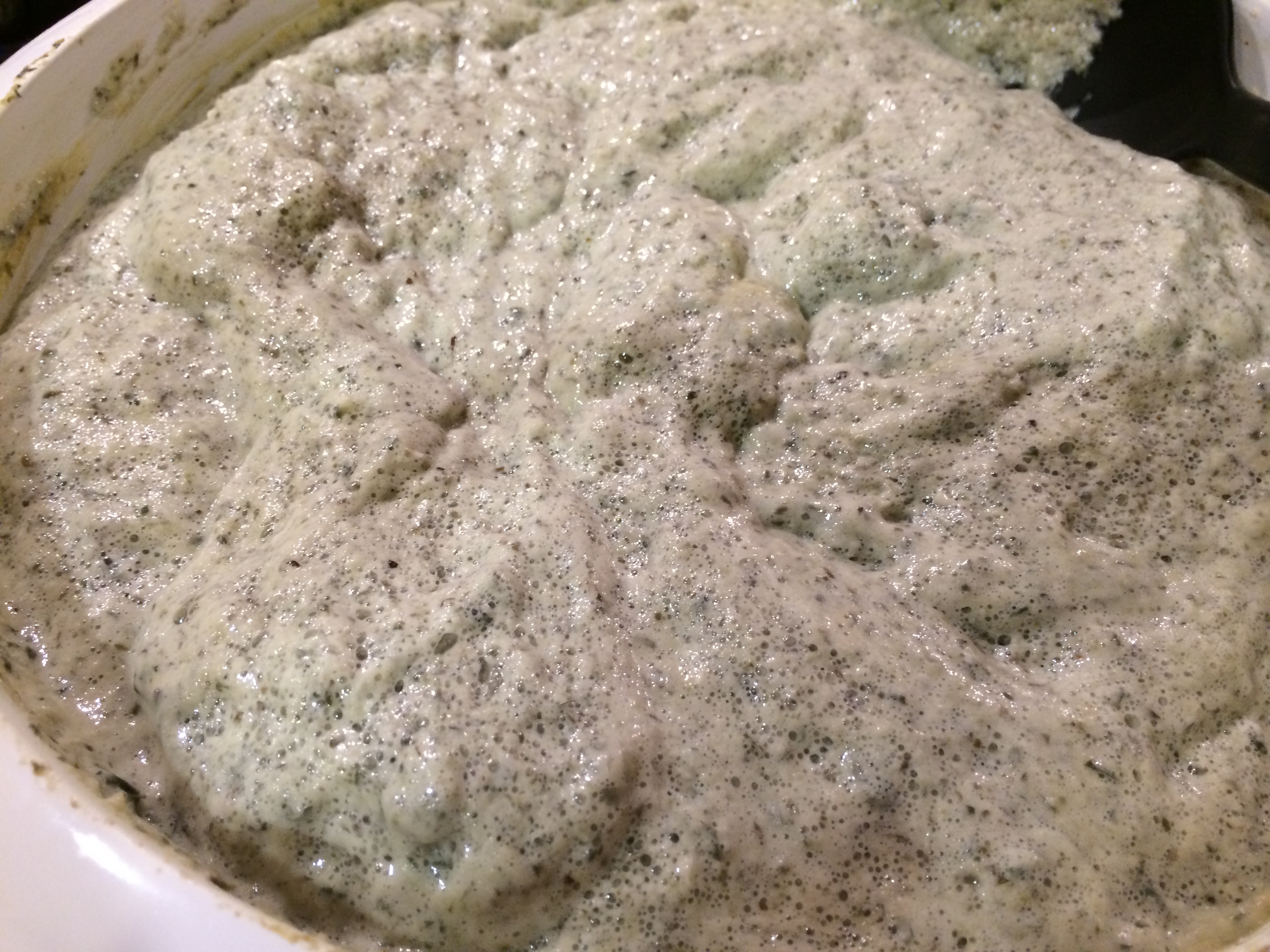
IMG_0043

Risen idli/dosa batter

Risen idli/dosa batter

In any case, within about 24 hours of rising, I certainly smelled some of that lactic acid goodness — it smelled sour. It had risen to almost double the original size. The batter was ready.

Idli cakes

Ingredients:

  • 3 cups idli batter from above (this will make one dozen)
  • Idli steamer which usually comes with 12 perforated cups
  • some oil

Method:

Rub a bit of oil on each of the idli trays. Pour about a quarter cup of batter on each. Now place it in a pot with water to about a couple inches already at a boil; cover, turn it down to a simmer, and steam the cakes for about 12 minutes with the lid on.
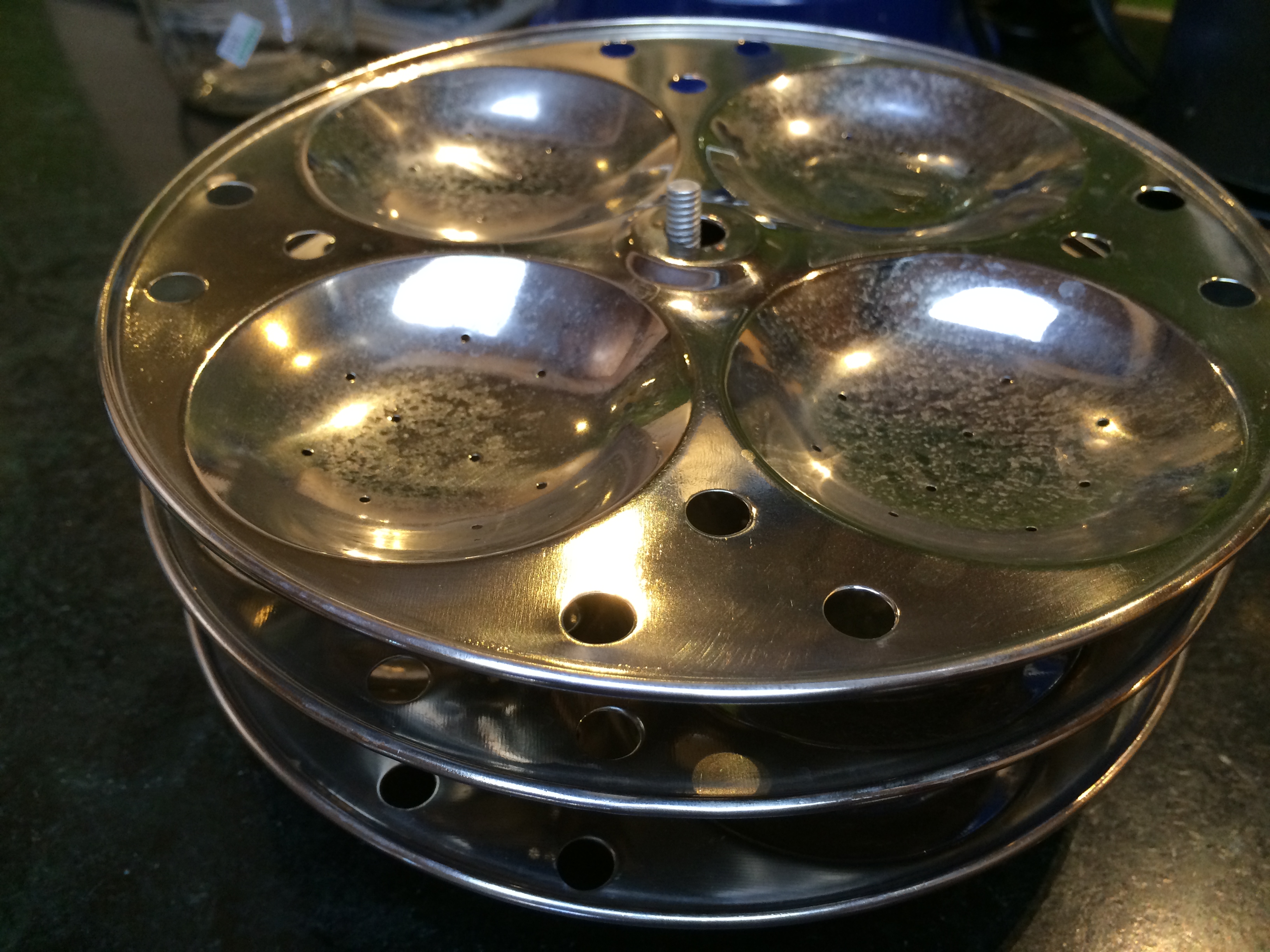
IMG_0053 IMG_0054 IMG_0055 IMG_0057

Idlis are great with any manner of chutney on the side, or sambhar (dal made out of pigeon peas and its characteristic spice blend).

Dosa crepes

Ingredients:

  • 1 cup batter (this will make about 4 decent sized crepes)
  • 4 teaspoons oil

Method:

Thin out the batter with about a third to half again as much water. So if you start with a cup of water, use between a third of a cup to half a cup extra water. Basically, the batter should flow easily, much like crepe batter.

Heat a wide nonstick pan on medium high heat. Spread about a teaspoon of oil around. Now, we pour about a third of a cup of thin batter and spread it.

Spreading dosa batter into a nice thin layer is an art form. Here is what you need to know.

  • You don’t have to have a thin layer. But the thinner you spread it, the more crisp. Until you achieve that pinnacle of thinness, crispiness and paperiness — paper dosa.
  • If you pour batter on to a hot pan, it will immediately congeal and instead of spreading, you will get a rubbery mass. So the pan needs to be hot while cooking, but cool while pouring on. Traditionally people have used the onion trick — rub half a cut onion on the pan to cool it down. I used the French way of lifting it off the flame as I pour the batter on.
  • To spread it, people have traditionally used a spiral motion — take a flat ladle and spread the batter around with its bowl in a spiral fashion. Once again, I used the French method of tipping the pan this way and that to spread it.

In some places, the batter will be spread so thin that it is lacy.

IMG_0058 IMG_0060

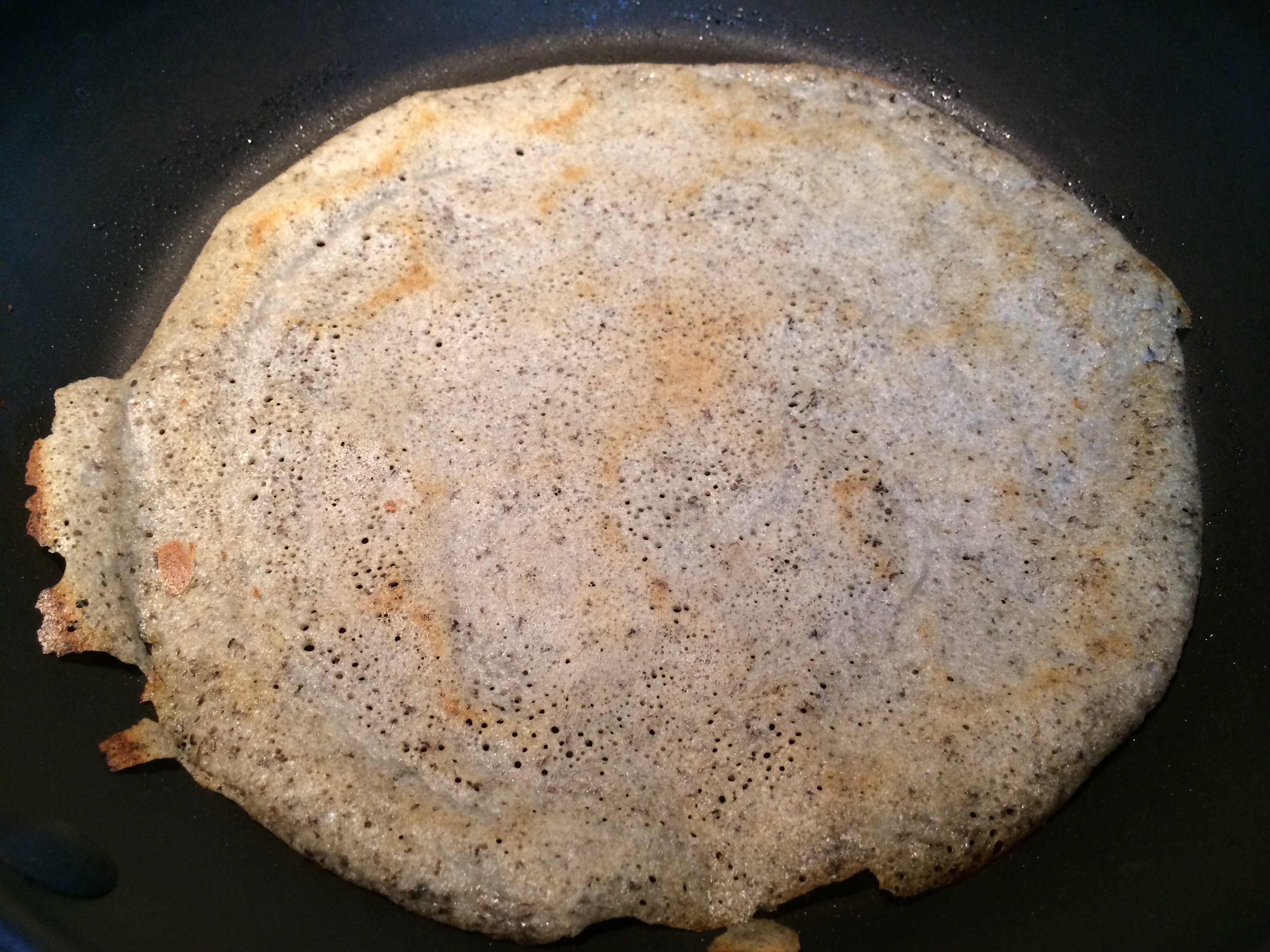
Cover with a lid and cook on high heat for about three minutes. Or four. At this point, the underside will definitely look brown and crisp. If you try to lift it off, the crepe will easily peel off; even the thin lacy parts. You can cook it on the other side if you like but it is not strictly necessary.

Lacy, crisp edges of dosa after I took a bite

Lacy, crisp edges of dosa after I took a bite

Dosa can be eaten with similar accompaniments as idli; chutneys, sambhar; or really any manner of vegetable or meat viand. The South Indian restaurant standard is to make a wrap with a potato preparation inside.

Enjoy, and thank you beasties!

Solid citizen channa dal

IMG_0772

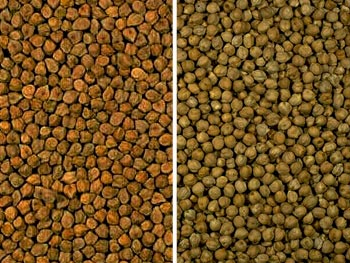
Channa dal is the dehusked, split version of the black chickpea or kala channa. Most people know chickpeas or garbanzo beans in their lighter, bigger form (and often from a can); this lighter chickpea (known as kabuli channa) is native to the middle east, and eaten all over India too.

The black chickpea on the other hand, looks like this:

Black chickpea

Black chickpea

It is known as kala channa, and is a smaller, darker chickpea that is native to India (strongly resisting the urge to make a racial joke here). Kala channa is eaten whole often and someday The Odd Pantry will delve into that. But get its wrinkled brown husk off, and split it into its two cotyledons, and you have yellow channa dal.

Channa dal

Channa dal

Among the dals, it is a mighty stubborn one and resists softening. It takes the longest soaking, and the longest cooking. Still, once you get there, the results are hard to beat.

I believe each dish must showcase the main ingredient’s essence; and since channa dal likes to keep its integrity, we will help it. What I mean by that is that we don’t cook it down to mush (as is the case with most split dals) but allow the channa dal to keep its shape. An initial saute step helps seal in the grain’s shape, so let’s get to it.

Solid citizen channa dal

Ingredients:

  • 3/4 cup channa dal, soaked for one to two hours
  • Half inch piece of ginger, minced
  • 1 – 4 serrano or bird’s eye or jalapeno chilies
  • Half a teaspoon turmeric powder
  • One teaspoon cumin seeds
  • Half a teaspoon of asafetida
  • Half a teaspoon of red chili powder
  • Dry mango powder (aamchur)
  • 2 tablespoons finely chopped cilantro
  • 2 tablespoons oil
  • 1 teaspoon salt or to taste

Method:

Once you have soaked the dal, its volume will have doubled. Drain it of the soaking water.

IMG_0756 IMG_0757

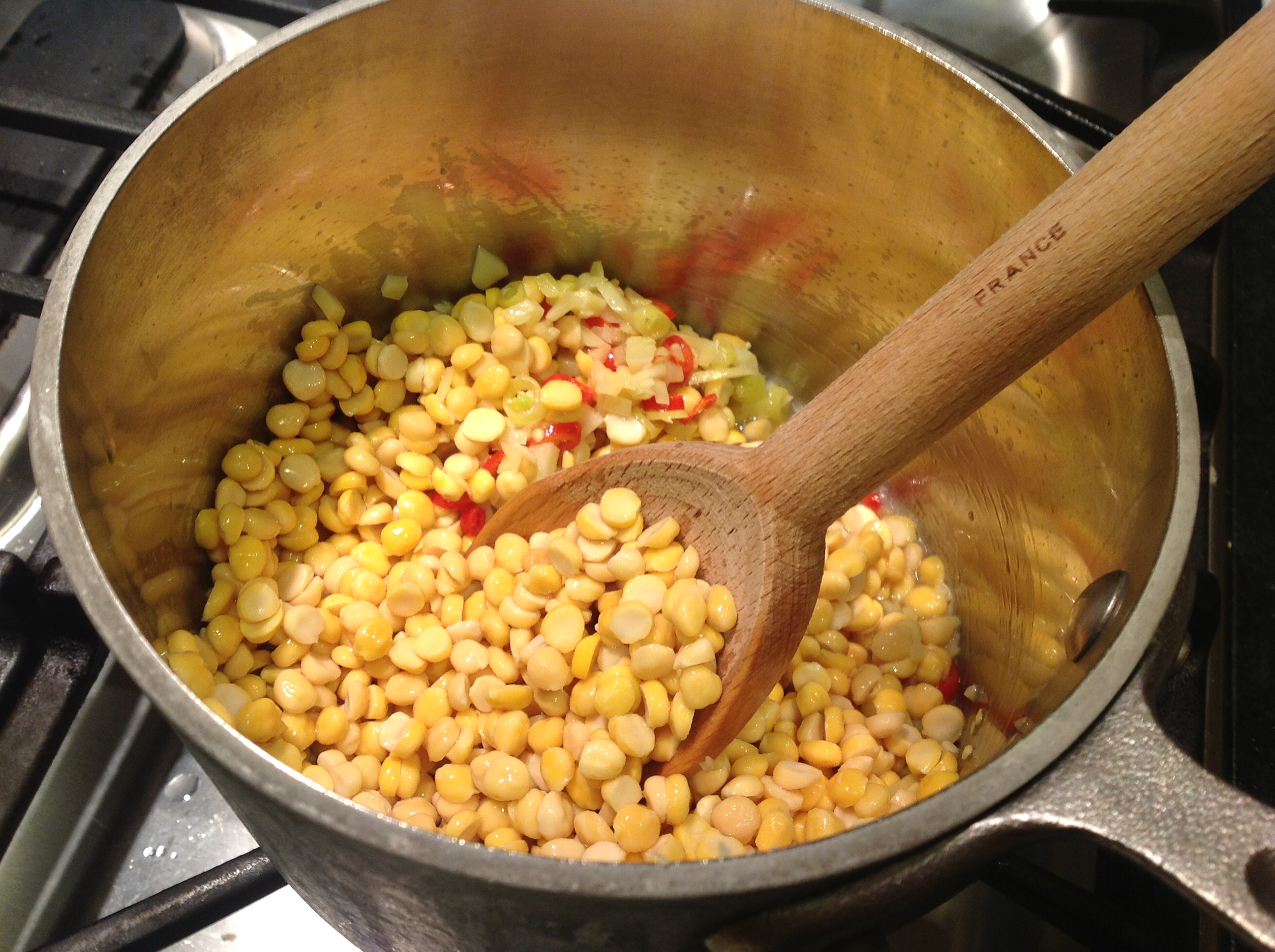
Heat half the oil in a thick-bottomed pot and when it shimmers, lightly saute the green chilies and ginger. Now put in the drained dal, and saute the grains on medium heat until the soaking water dries away; continue sauteing dal for another couple minutes or so. Now put in the turmeric and 2 cups water.

Bring to a boil with the lid off; once the water comes to a rolling boil and the foam subsides, lower the heat to a simmer, cover with a lid but leave a crack open for more foam to escape. The dal will take an hour and a half to soften.

Now add the salt and stir.

IMG_0769

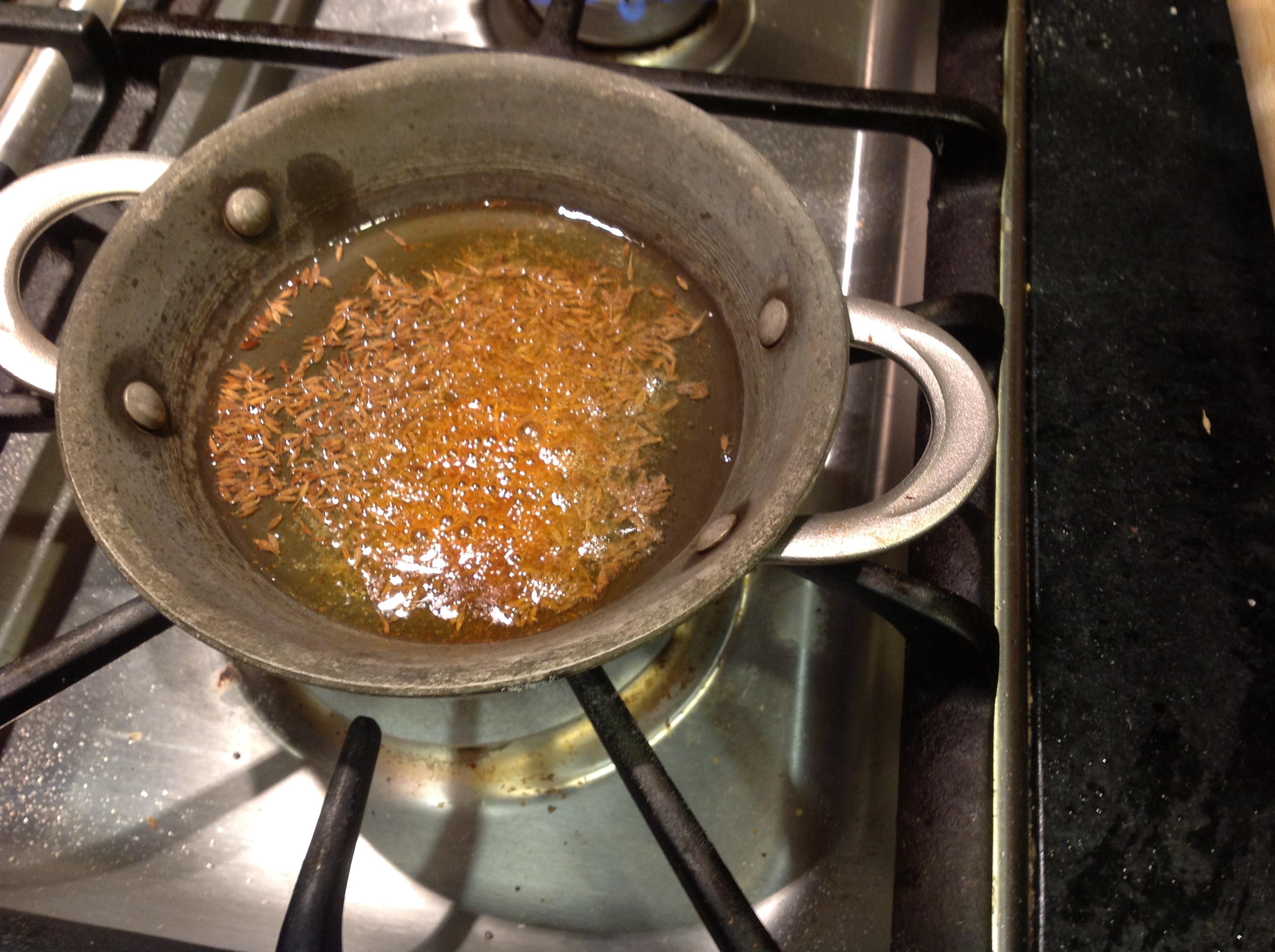
Heat the remaining oil in a small thick-bottomed pan. When it shimmers, add the asafetida and red chili powder. When they foam, add the cumin seeds. They will sizzle in a minute or two. Turn off the heat, add the oil and spices to the dal and stir once more. Also stir in the dry mango powder and the cilantro, leaving some for garnish.

Before serving, garnish with the dry mango powder and the cilantro to smarten it up.  I like this dal with roti/chapati or pooris, with perhaps a dash of lime juice if you like.

Simple dal series – Part 3, tuar dal with spinach

(Part 2 of this series is here.)

Here is the pigeon-pea, which has nothing whatsoever to do with pigeons, except that they are both full of protein:

Pigeon pea, tuar dal

Pigeon pea, tuar dal

Tuar dal

Tuar dal

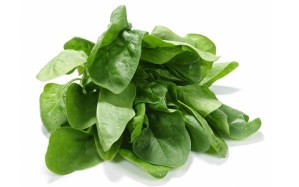
And here is some dementia-fighting spinach:

Spinach

Spinach

And this is what you get when you marry them: spinach dal.

Spinach dal

Spinach dal

Eat enough of this, and you will be lifting weights while remaining completely undemented. But that’s not all. Spinach is a good choice to put into any dal, because it melts in, rather than remain in bits. Whether your intention is a soupy dal or more of a porridgy one, spinach fits right in.

Spinach with tuar dal

Ingredients, for boiling:

IMG_0533[1] IMG_0535[1]

IMG_0539[1] IMG_0540[1]

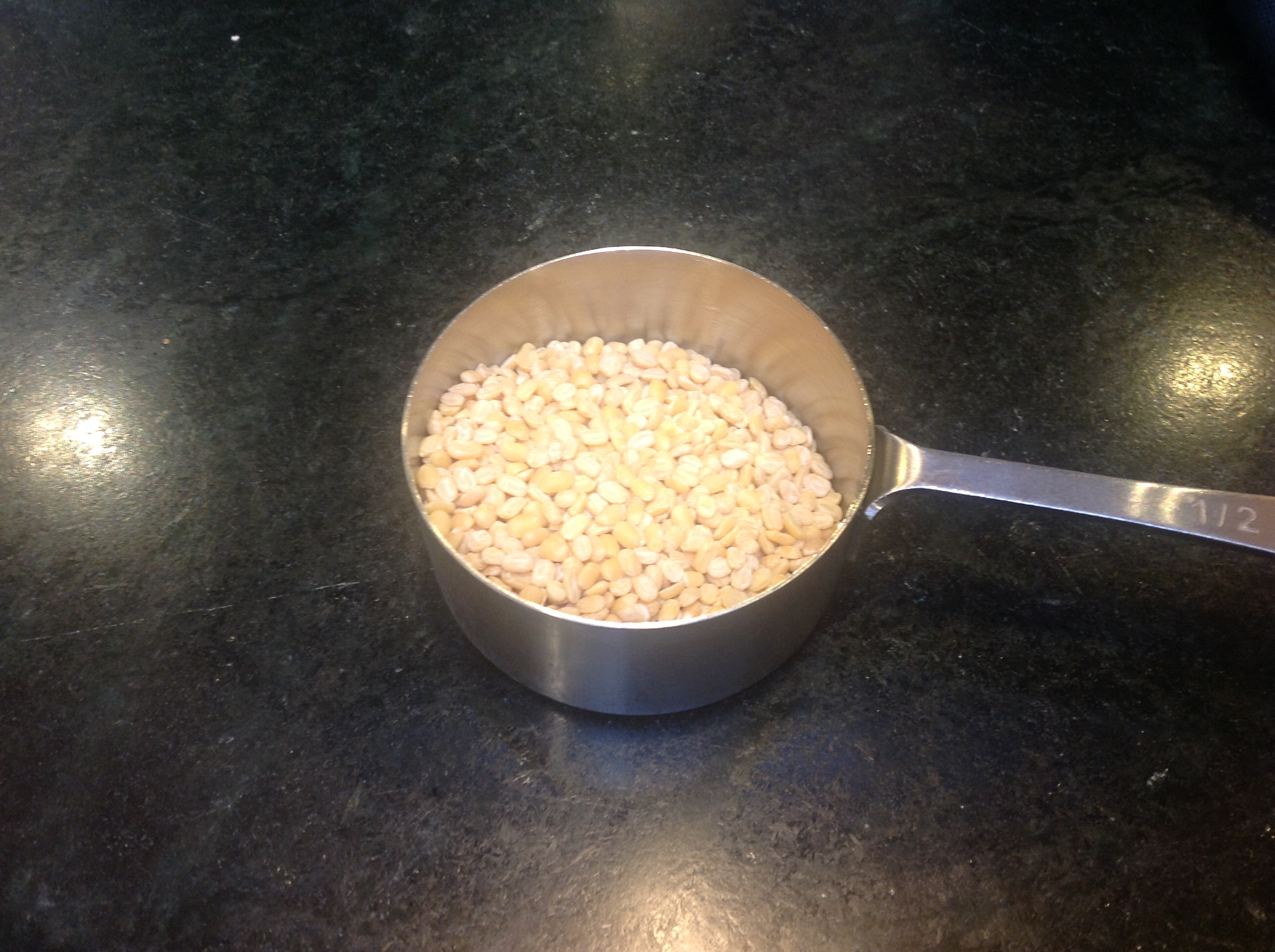
  • Half a cup tuar dal (dehulled and split pigeon peas)
  • spinach — one bunch (use half a bunch if you want it more yellow than green)
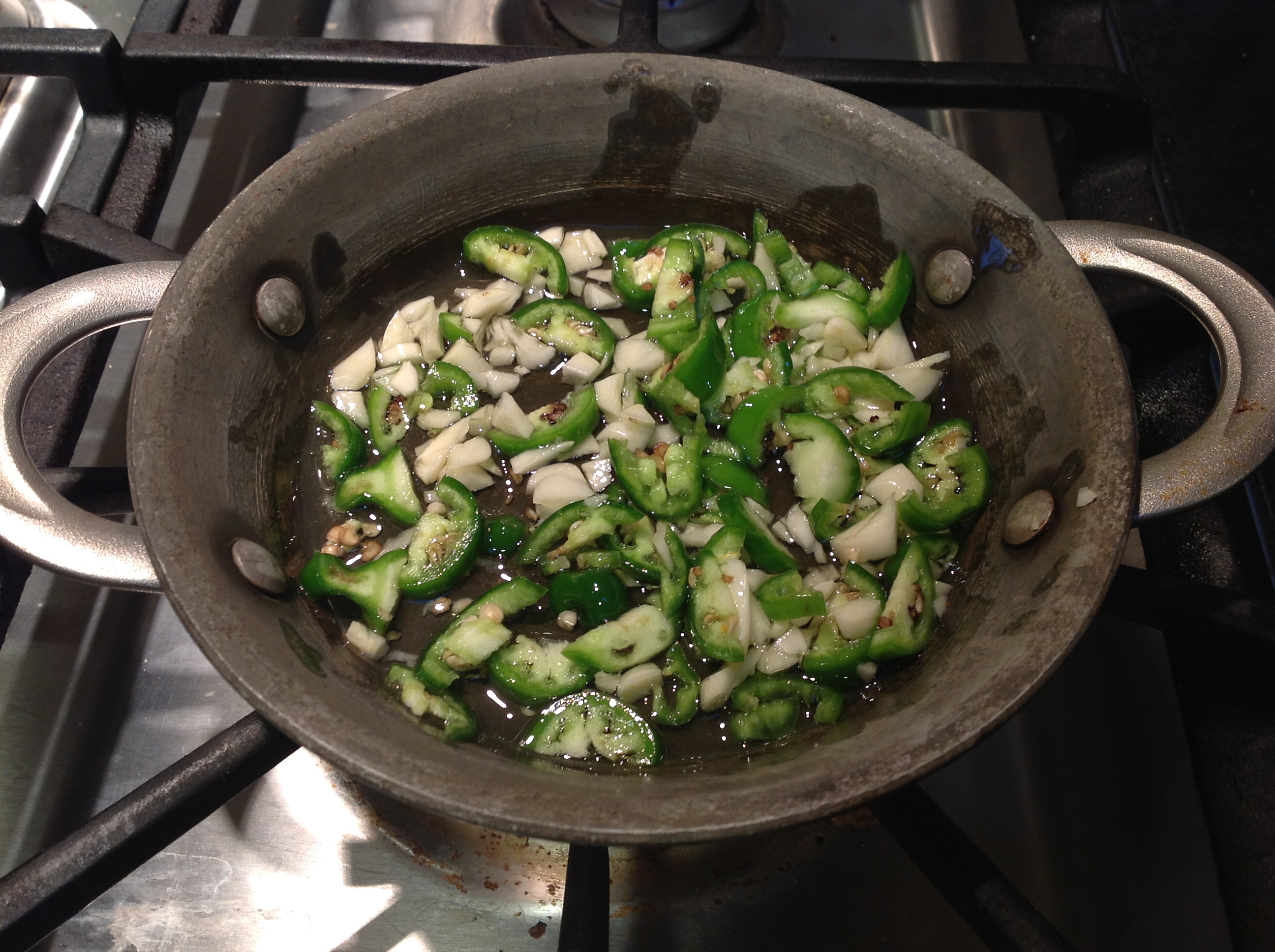
  • 5-6 cloves garlic, smashed
  • 1-2 serrano chilies
  • half a teaspoon turmeric

Ingredients, for seasoning (all of these are optional, but do try to use at least one spice):

Seasoning spinach dal

Seasoning spinach dal

  • 1-2 tablespoon ghee
  • sprinkle of asafetida
  • half teaspoon mustard seeds
  • half teaspoon cumin seeds
  • half teaspoon fenugreek seeds
  • half teaspoon or to taste red chili powder
  • salt to taste
  • Half a lime or lemon squeezed

Method:

Rinse and soak the dal in hot water for an hour or more. It will double in volume, or more. Put the drained dal in a thick-bottomed pot along with the turmeric, garlic, and chili. Add two and half cups water and bring to a boil.

Now. I say this with every dal recipe but it bears repeating. When dal first comes to a boil it will froth up with the rage of a volcano. Let it do so while the pot is uncovered. This way you can watch and the foam is not likely to end up on your burner. Once the foam has spent itself, partially cover, turn it down to simmer for an hour and half.

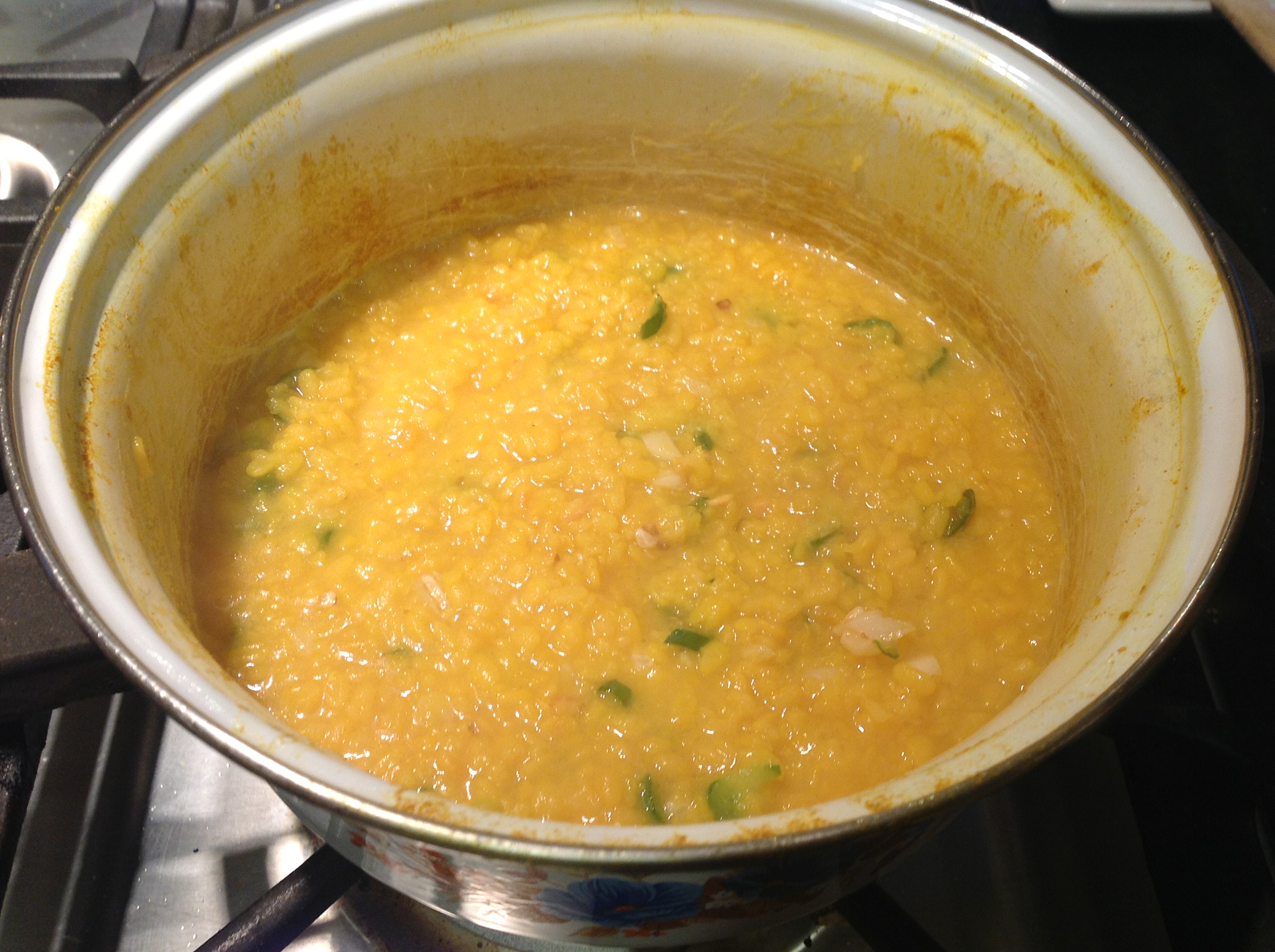
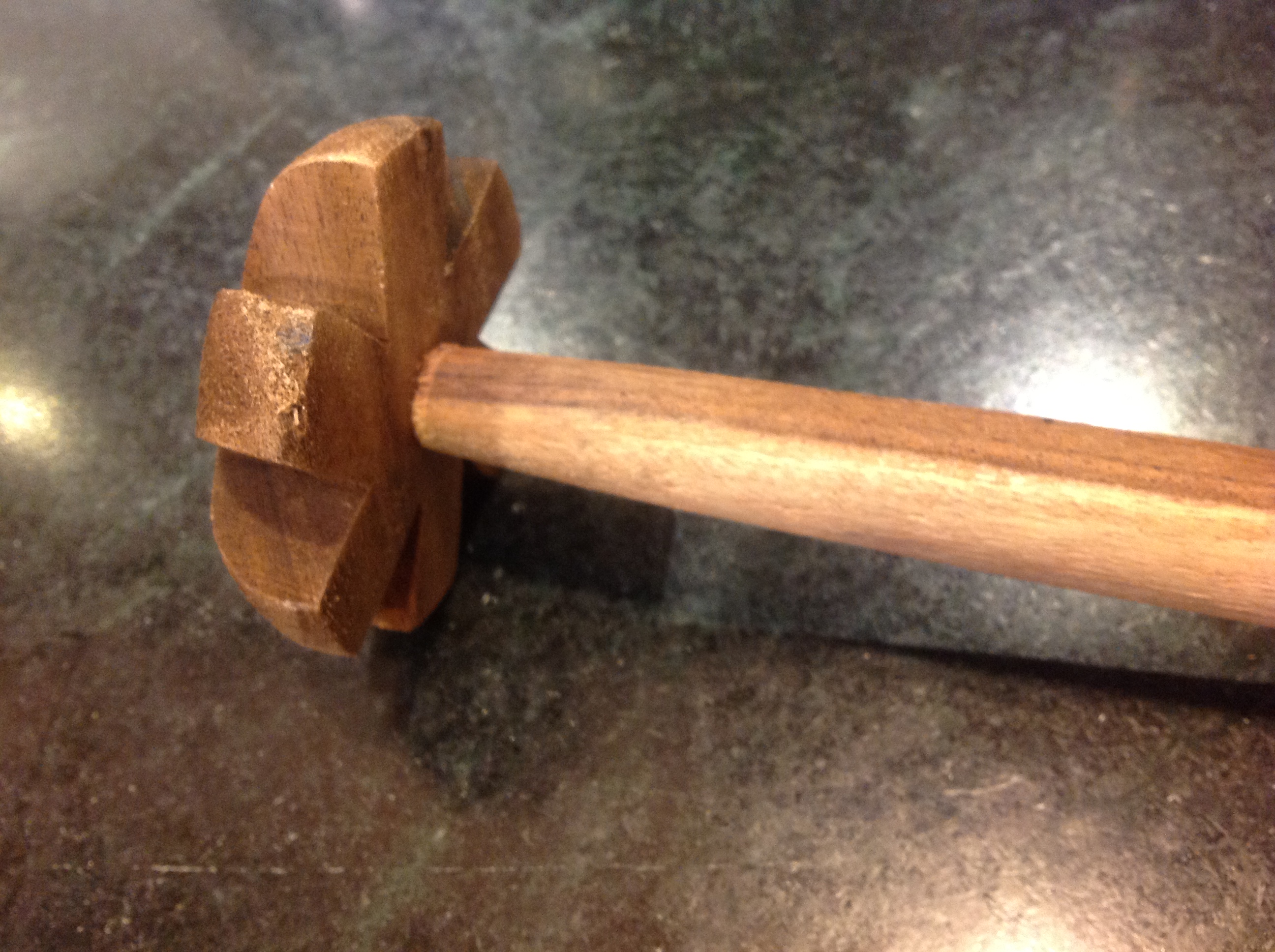
In the middle of cooking time, put in the washed and chopped spinach. Cover and cook on until the dal grains are soft. Give the soupy stuff a whisk with a whisk or a swoosh around with one of these, a mandheera. Add salt and keep it on a low simmer.

Spinach dal before seasoning

Spinach dal before seasoning

Now for the seasoning. Heat the ghee on medium high heat. By the way this is one dish where I do recommend ghee rather than oil because it enhances the flavor in a very nice way. Of course oil would work too.

When the ghee is completely melted, throw in the seasonings in this sequence: first, the asafetida and the red chili powder; then the cumin seeds; when they sizzle, the mustard seeds; when they pop, the fenugreek seeds. Don’t cook these longer than about 10 seconds, because they will turn bitter if so.

Turn off the heat and pour into the dal. Stir, stir, stir. Simmer for a few minutes to meld the flavors. Squeeze some lemon/lime juice to it to brighten the flavor.

I love this dish with rice but other people recommend rotis. I never would, so there.

IMG_0544[1]

Rice with spinach dal

Simple dal series — Part 2, yellow moong dal with roti

Moong dal

Moong dal

(Part I of the series is here)

(Part 3 of the series is here)

Most Californians know of this tiny bean — moong, or mung — in the form of sprouts in their ‘Californian’ sandwiches that they ask to have left out. Or the translucent tails thrown on top of their pad thai. But there is much more to the moong bean, so much more!

Moong dal

Dehusked, split moong dal

In India moong dal in its dehusked, split form is the ultimate comfort food. Creamy and inviting, it is also extremely simple to make. Often yellow moong dal with rice is a baby’s first grown up meal. It goes equally well with rice or roti, but needs a slightly wetter preparation for rice. This recipe is about the moong dal that goes with roti. It makes enough for a dinner side for two, and is easily multiplied.

Garlicky yellow moong dal

Ingredients:

  • Half cup dehusked and split yellow moong dal
  • 3-4 large cloves garlic, minced
  • 2 serrano or other hot green chilies, minced
  • Curry leaves if you have them, about 6
  • half a teaspoon turmeric
  • 2 tablespoons oil
  • salt to taste

Method:

Rinse the dal and put it in a pot with the turmeric. Add one and half cups of water and bring it to a boil.

IMG_0485

The thing to note while boiling any dal is that as it comes to a boil, the stuff will foam up very suddenly and squirt all over your burner. I can’t count the number of times I’ve had to run to the kitchen to the sound of yellow liquid sizzling all over my burner, and had to tamp down the foam by stirring it. So either leave the lid off while you bring it to a boil, so you can watch, or leave it partially uncovered. Once the the foam has spent itself, it is fine to mostly cover the pot with a lid, and turn it down to a simmer.

Moong dal, cooked

Moong dal, cooked

This dal will take about 45 minutes to cook. Towards the end of cooking time you can cover it with a lid fully. You can test a grain by squishing it between your finger and thumb. Add salt, turn it off or leave at a very low simmer.

Serrano chilies, one freak, one not

Serrano chilies, one with a freakish cowlick

Meanwhile prepare the garlic and chili for the seasoning. Heat oil in a small thick-bottomed pan. When the oil shimmers, put in the garlic, chili and curry leaves.

IMG_0489 IMG_0491

Cook at medium heat till the garlic starts to shrivel and the chili and curry leaves look blistered. Turn off, pour the contents of the pan into the dal, and stir nicely. As you stir, the grains will break up further and become quite creamy.

IMG_0492

This dal, if eaten with chapatis and a simple fried vegetable is an unexpected slice of heaven. To garnish, I usually sprinkle dry mango powder or red chili powder on individual portions.

Simple dal series — Part 1, masoor (red lentils)

Masoor dal

Masoor dal

(Part II of this series is here.)

Lentils are eaten all over the world. But the one used in India is called masoor. When whole, it looks much like a bigger French lentil, brown and UFO-shaped. Remove the husk and split it, and one is left with a orange flat disk. This is how masoor is available most of the time. Once cooked, it loses it orange and turns yellow like other dals. This dal has a very subtle flavor, and I find it works well to cook aromatics in the dal when it is simmering, rather than add it in fat later.

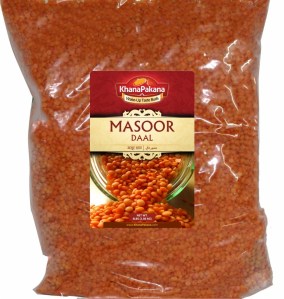
Masoor Daal at Khana Pakana

Masoor Daal at Khana Pakana

Simple masoor dal

Ingredients:
  • 3/4 cup masoor dal (red lentils)
  • half a teaspoon turmeric powder
  • half an onion, chopped
  • 3-4 cloves of garlic, minced
  • half an inch piece of ginger, minced
  • 1 serrano or jalapeno chili, sliced
  • 2 small or 1 medium tomato, chopped
  • 3-4 kokum pods, if you don’t have them, leave them out
  • 1-2 tablespoons ghee
  • a sprinkle asafetida
  • a sprinkle or more of red chili powder
  • half a teaspoon cumin seeds
  • half teaspoon mustard seeds
  • salt to taste
Method:

IMG_0465[1] IMG_0468[1]

Rinse the dal and soak it in hot water for just 15 minutes to see the volume double. Longer is fine. Put the turmeric, the drained dal, and two and a half cups of water in a thick-bottomed pot. Add the chopped vegetables except the ginger.

IMG_0466[1]

Bring it to a boil, uncovered. Watch it carefully as it is about to boil, because the foam will rise to the top suddenly and overflow if it is covered. Once it does come to a boil, turn it down to a simmer, with a lid partially on. The dal will take 45 minutes to an hour. When the dal is softened (test it by squeezing between your finger and thumb), you can turn it off, or leave it at a very low simmer.

IMG_0469[1] IMG_0470[1]

Whisk it with a whisk, or with one of these handy-dandy instruments, called a mandheera. Add salt to taste and cover.

mandheera

mandheera

Meanwhile heat the ghee in a small pan. In this recipe I find that the ghee really helps bring out the flavor of masoor. When the ghee is melted, sprinkle in the asafetida and the red chili powder. They will foam, now put in the cumin; when it sizzles put in the mustard seeds; when they pop, put in the ginger. In a minute or two the ginger will appear shriveled and cooked. Now turn off the flame and pour into the dal. Stir the ghee in.

IMG_0474[1] IMG_0475[1]

At this point, the dal is ready. Adjust the salt. Garnish with chopped cilantro, or add lime juice. This goes well over rice and a dry or fried vegetable on the side.

Sweet and sour pigeon peas — tuar dal

Here is one reason to relish your pigeon peas — it is the first legume to have its genome completely sequenced! Now isn’t that appetizing! Here is the other reason — they are delicious.

Pigeon peas are known as tuar dal or toor dal in India, where they are used from south to north, from east to west. When mature, the full lentil looks like a dried beige pea. But the way they are used normally is after having the outer husk removed, and split into halves, so they look like little yellow half-spheres. This, by they way, is how most dals (lentils) are commonly eaten — husk removed and split into halves.

In my family we had soupy tuar dal with rice at least once a week. Its deep musky flavor seems to take very well to some added sweetness and tang. Of course that means the holy pairing of jaggery and tamarind. I could go into a deep digression about each of those, but suffice it to say that you can use brown sugar instead of jaggery, and lemon instead of tamarind; let’s stay on our musky subject of the day, people — tuar dal. Eyes on the ball now.

Step 1: soak and boil.

toor dal and karela 001

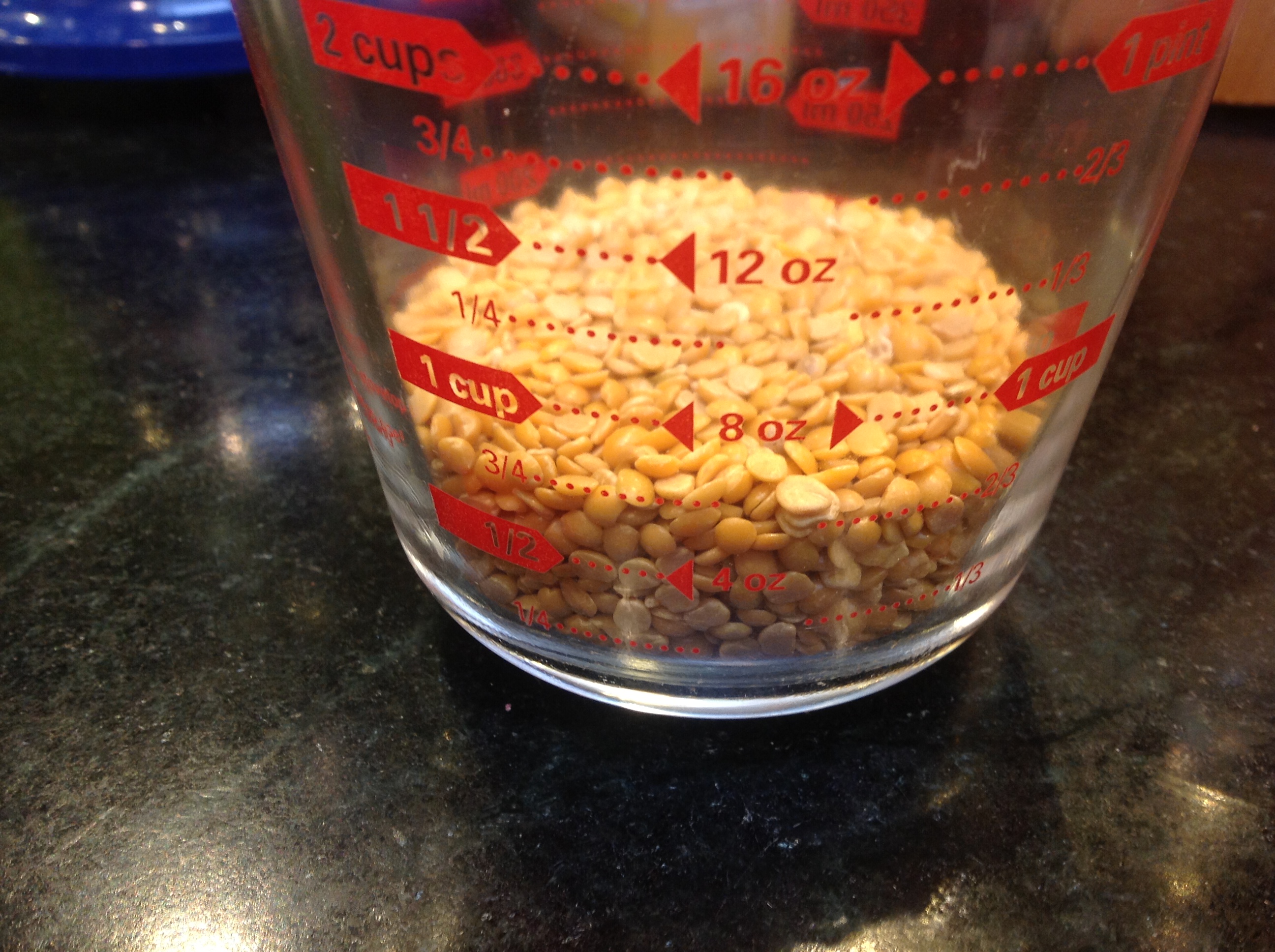
I started with 3/4 cup of the stuff. Work night dinner means I don’t have the luxury to allow it to soak for a couple hours; so I rinse, and soak in near-boiling water for just about fifteen minutes, and see the volume double. I learned this trick from Madhur Jaffrey and it has served me well.

toor dal and karela 002

Now, time to boil it. Half a teaspoon of turmeric goes into a pressure cooker, the rinsed and drained tuar dal goes in next, and 3 cups of water. Cover the pressure cooker and let it come to a boil; turn it down and cook, pressurized, for twenty minutes. If you don’t have a pressure cooker, a regular saucepan will do, but the time stretches to an hour and a half. Leave the lid open in this case, at first, because as it first comes to a boil, the lentils will spew like a volcano, and leave watery lava all over your burner.

Once this is done, add salt to taste, half a teaspoon of tamarind paste, and a small piece of jaggery. If you don’t have tamarind use lemon juice, and if you don’t have jaggery use a teaspoon of sugar. Leave the dal uncovered on a low simmer while you prepare the seasoning, stirring occasionally.

Step 2: Seasonings

For the fat in this dal, I used one tablespoon of ghee. There are a few dishes where I opt for ghee instead of oil because of the the lusciousness it gives the result. Butter is a substitute, but I have never tried it.

For the seasonings, I used asafetida, red chili powder, cumin seeds, mustard seeds and fenugreek seeds, in that order.

The seasoning of lentils, known in central India as vaghar, and in the north as tadka, takes some special sequencing. Use a small but thick-bottomed pan to heat the fat in. First, the asafetida can go in pretty quickly, as soon as the fat heats up a little. It will foam in seconds. Now put in half a teaspoon of red chili powder.

toor dal and karela 010

Then, in a few seconds, a teaspoon of cumin seeds. They will also sizzle in seconds. Wait a few seconds and put in a teaspoon of mustard seeds. Now, wait.

Wait.

Wait about 30 seconds. The seeds will first make sizzling sounds, then each little ball will pop and you will start to hear popping sounds.  At this point, put in one teaspoon of fenugreek seeds.

toor dal and karela 013

A note on fenugreek seeds. If they saute long enough to turn dark brown, they will be hard and bitter. So to avoid that, they go in last and cook the least in the hot oil. Of course if they do turn bitter, some simmering in soupy stuff will resolve that problem, so no harm done; but we try to avoid them turning bitter at all.

Step 3: Aromatics

In a few seconds the fenugreek will sizzle as well; now put in and inch of ginger, minced thusly:

toor dal and karela 003

…and 2 green chilies, stems removed, and sliced through (if you have curry leaves, use about 6 of them):

Wait till they sizzle, and the chilies show blisters, then empty the entire thing into the dal.

toor dal and karela 018

Allow the dal to still simmer on for a few minutes for the flavors to meld.

Step 4: Garnish

toor dal and karela 021

Garnish with a handful of chopped cilantro and stir. Have it mixed with rice and perhaps a fried or grilled vegetable on the side.

Sindhi Besan Kadhi

Image

I’m convinced that every little province and village in India has their own variation on the common theme of a gravy made with chickpea flour, with their own specific set of spices, and their own means of adding sourness, sweetness, heat, and random floating stuff. Sindhis do as well. It would be more accurate to say that each region of Sindh had their own version, and my family’s version is more-or-less shared with other Hyderabadi Amils.

First things first. Chickpea flour, or besan, is the fine flour ground from channa dal. It is one of the most versatile ingredients I know of — it can be mixed into rotis, used like eggs to make omelets, thicken stews, deep-fried to make pakoras, and finally, cooked with liquid to make a thick gravy with a deep musky fragrance that can be poured over rice. That, my friends, in all its endless variations, is a kadhi.

A kadhi’s base is besan. There may be as little as one tablespoon for four cups of liquid, or as much as half a cup. There is a liquid — it is, after all, a gravy — which may be yogurt, buttermilk, water, or pureed tomatoes. The besan may be roasted in oil, or not. The spices often used are cumin seeds, asafetida, fenugreek; but any or all may be omitted or others added. There is usually a source of sourness. Sometimes the yogurt or pureed tomatoes suffice, sometimes tamarind is added. The musky flavor of besan goes well with sweet, so a small amount of jaggery is usually added. Sugar is fine too.

On to the main business: Sindhi kadhi.

Step 1: Mise en place and tempering

Image.

Collect your spices. Have your besan at hand with a half cup measure. Have your wooden spoon by your side. Put in about a quarter cup of oil in a thick-bottomed pot on medium high. If you have a pressure cooker, use that. When the oil shimmers, put in a sprinkling of asafetida and a half a teaspoon of red chili powder. Then, half a tablespoon of cumin seeds, wait ten seconds, and then half a tablespoon of fenugreek seeds. If you have curry leaves, put in about six of them. Minced ginger — half an inch piece — goes in next. If you want additional heat sliced serrano chilies can go in too. Stir for a minute. The oil has been seasoned.

Step 2: Roasting the besan.

Image

I use about half a cup of besan. I like the stuff. Lower the heat to medium-low. Put the besan into the oil and stir vigorously. It should look like the picture above — all the besan should be dissolved into the oil — if there is too little oil, you will have a hard time moistening all of the besan. In that case, add a few spoons more of oil. Gently sizzling, the besan will roast; you might notice a wonderful aroma of roastiness arising. Keep stirring. Keep this going for about seven minutes. It might darken a shade or two, but be careful not to burn it.

Step 3: water

Image

I use four cups of hot water, and stir vigorously to make sure there are no lumps. Sometimes I resort to a whisk. You can pour in the water all at once, or if you want to make a ritual out of it, do it bit by bit. I doubt it matters. Bring it to a boil, and keep it on a simmer for about 10 minutes. The smell of cooked besan will arise, it is heavenly. And, in about ten minutes, the gravy will thicken, and look like this:

Image

Step 4: Salty, sour and sweet.

Add your salt to taste, add a half teaspoon of tamarind paste, and a half inch piece of jaggery if you have it, otherwise a teaspoon of sugar.

Step 5: Floating stuff — the vegetables.

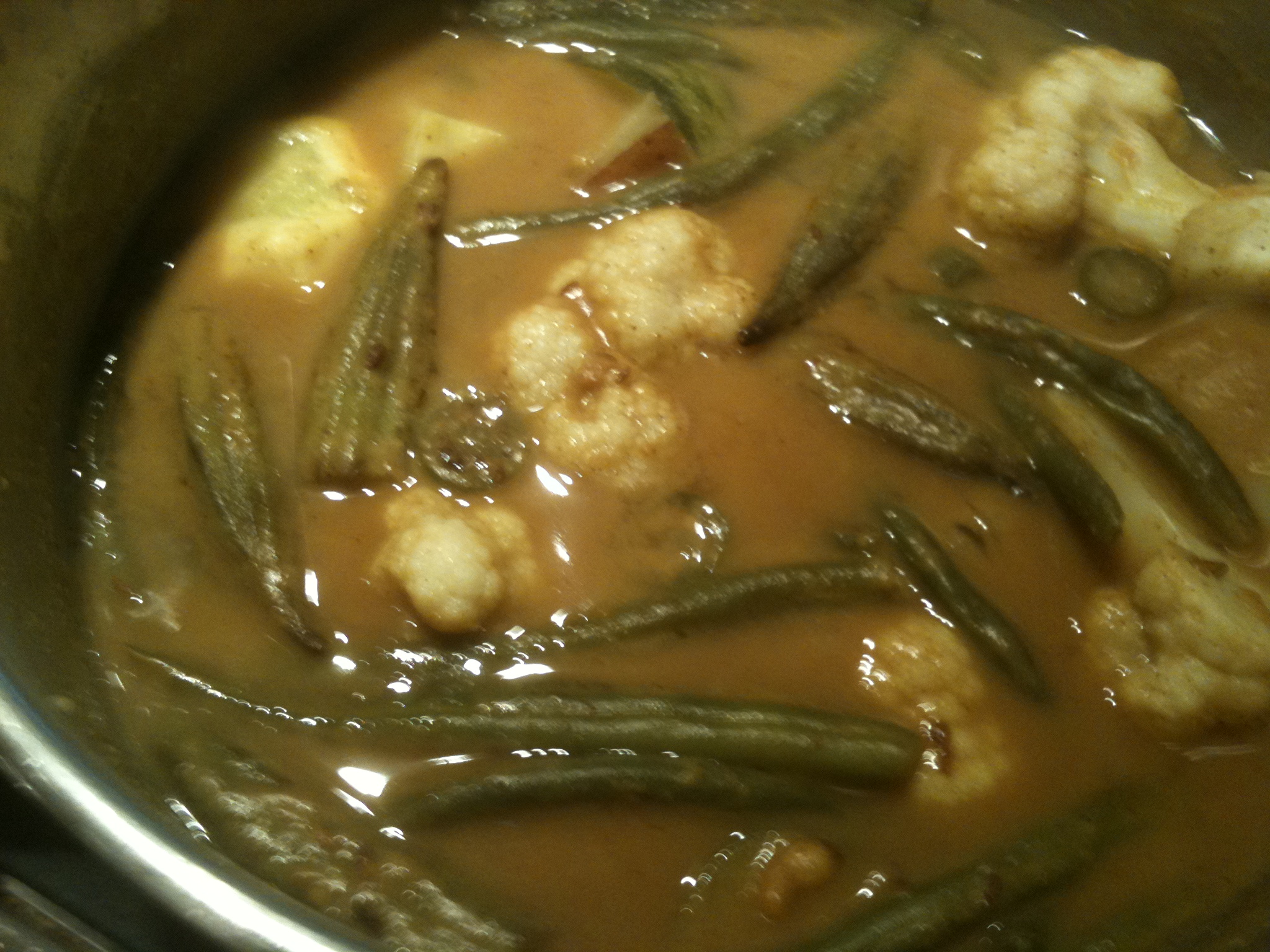
ImageNow each kadhi needs some kind of floating stuff that cooks with the gravy, and equally lends and borrows flavor. Many, many versions of kadhi use dumplings made out of — well, more besan. The Sindhi version chooses the healthier route of vegetables, known as vakhar. This is a generic term for all vegetables that are chosen to be the free floating blocks in one’s kadhi.

What to use? Of course, this is up to one’s taste and what one has in the pantry. But some commonly used vegetables are: cauliflower; french beans; okra; Indian drumstick (pods of Moringa oleifera); guar or cluster bean pods; young potatoes; tinda which is a type of gourd, easily substituted with zucchini; eggplant. Basically anything chunky and not too starchy can be used.

The key thing is that they must all be cubed into rather large cubes to avoid them melting into the sauce. Two-inch cubes is what one is aiming for. Cauliflowers in particular must be kept rather large because they turn mushy so easily.

Anyway, a plateful of vegetables, in they go. Salt the vegetables separately in order to get your salt estimate correct. If you have a pressure cooker, cover, bring to a whistle, and pressure cook for exactly 5 minutes 30 seconds — I’m serious, that is the number you want. If you don’t, simply bring to a boil and simmer, half covered, for twenty minutes, and keep checking for done-ness of the vegetables. Remember — the besan, though it certainly needs its rawness cooked out of — has already been cooked enough. The rest is about the vakhar.

This is what they look like when they have first been put in:

sindhi kadhi 017

And after going through the pressure cooker, they will alter into this:

sindhi kadhi 021

Subtly different, but infinitely luscious. Enjoy with a plateful of long-grained white rice. Pour so much gravy onto the rice that you feel the need to use a spoon rather than a fork. Then you know you have hit the sweet spot.

Easy peasy black-eyed peasy

A nice and creamy black-eyed peas recipe. Its greatest virtue is its simplicity. None of that lengthy caramelizing of onions, no tomatoes, just simple, simple, simple.

Step 1: Half cup of black-eyed peas — soak either overnight or for an hour in near-boiling water. Its volume will quadruple. As seen below — I started with half a cup.

Image

Step 2: Boil:

Drain the peas and put it into a pot with half a teaspoon of turmeric and one and half cups of water. Cover partially and bring to a boil. Turn down to a simmer, keep it mildly bubbling away for about an hour. They may not look much different but if you squeeze one pea it should be very very squish-able. Add salt to taste and either turn off the flame or keep it on very low.

It will go from this:

Image

To this in 45 minutes to an hour:

Image

Step 3: Seasoning

This is the set of seasonings I used: Mustard seeds, red chili powder, garlic and serrano chili. No fuss, no muss. Heat a few tablespoons of oil (I use pure olive oil) to a thick-bottomed pan and heat it on medium-high till the oil shimmers. Throw in a teaspoon of mustard seeds. Wait till they start to pop, then a half a teaspoon of red chili powder. It will darken immediately. Put in a few cloves of garlic, chopped, and a fat and juicy serrano chili, sliced into thin rounds. Stir to coat with oil.

At this point the heat should not be very high, or the garlic will burn. Let it cook for a few minutes until the chili and garlic look somewhat shriveled. Turn off the heat and pour the contents into the black-eyed peas. Stir.

If I had curry leaves, I would have added about 5 of them along with the garlic and chili.

Image

Step 4: Finishing.

At this point the only task left is to draw the right creaminess out of the cooked peas. If it is too watery, boil off some of the water or crush some peas with the back of a spoon to meld into the liquid. At any rate let it sit with the seasonings for ten minutes or so to combine the flavors. Garnish with chopped cilantro if you wish. Or, lemon juice, parsley, chives? Go for it. Basil? No, not quite.

As you can see, I didn’t garnish at all.

Image

We had it with chapatis, which is really the only way.